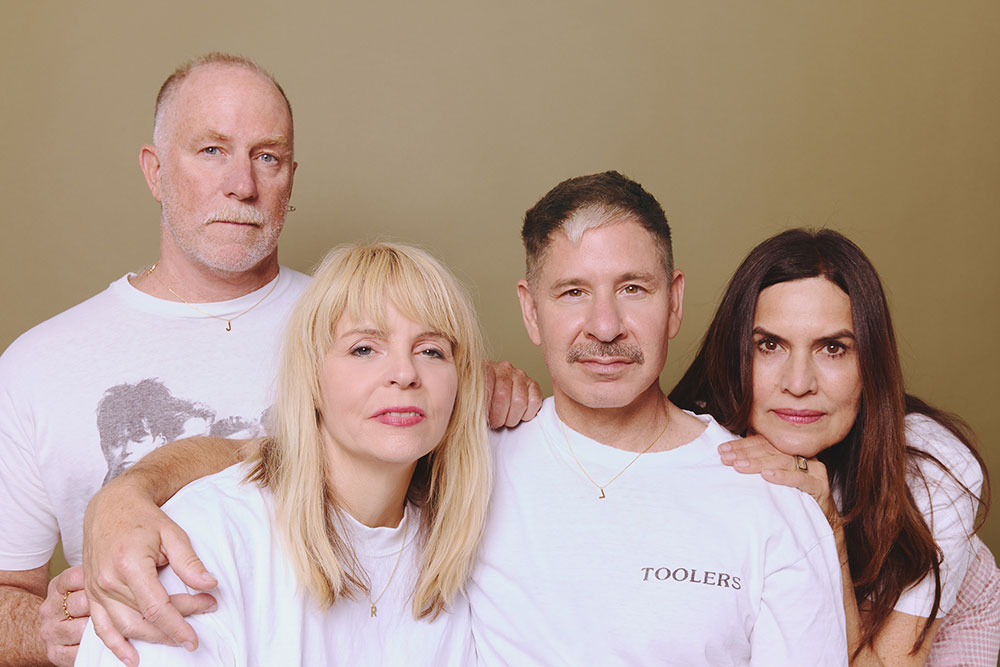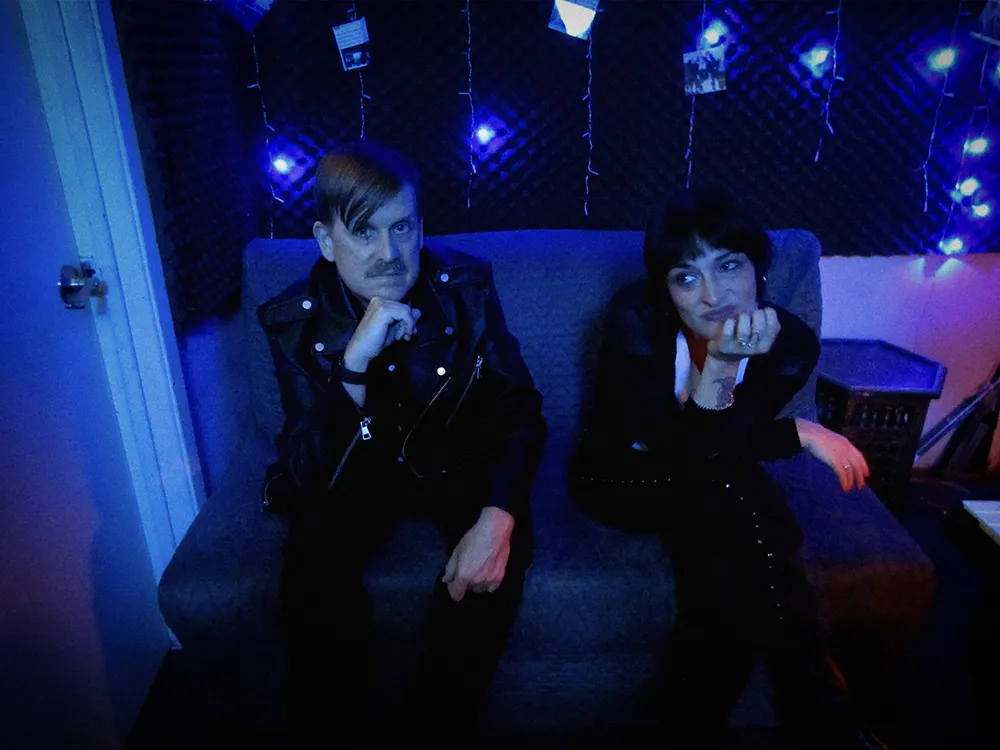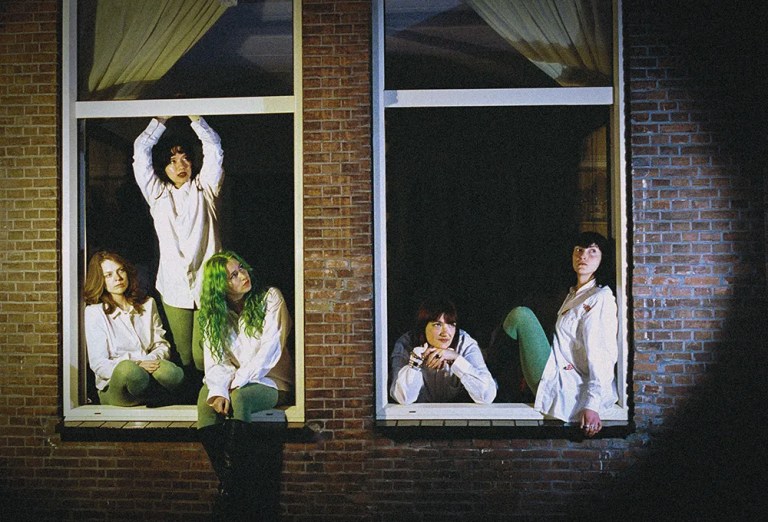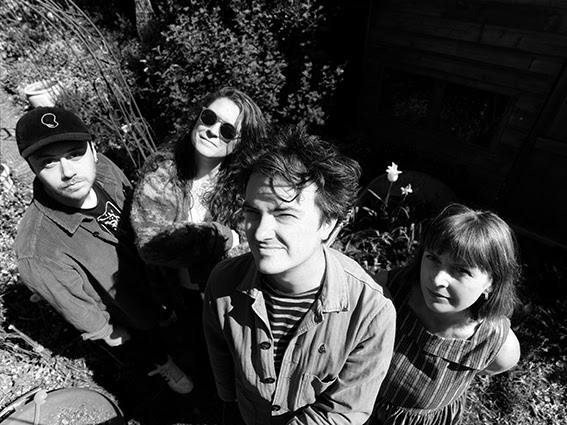
Wasuremono recently released a new album, “Me And The Noise.” We caught up with founder and composer Will to get the inside scoop on what’s coming next. From a deep dive into the songwriting and production process of the new record to gear, studio stories, and plenty of fun details, here is our full Q&A with Wasuremono.
For over a decade, Wasuremono has been a fiercely autonomous, one-man operation run out of your garden shed in Bradford-On-Avon. What pushed you to step back from mixing and mastering this time around, and how did it feel handing those final stages over to Tony Draper and Dick Beetham?
I am really proud of how much has been achieved with the past music, but with this new body of work I wanted to try something new and take a new direction. I joined a management team and they put me in touch with Tony and Dick. Tony mixed a single track to see how it sounded and I was so impressed we got him to do the whole album. It was pretty daunting as I am a very messy writer/recorder so sending Tony the vast amount of tracks was nerve wracking although he was very nice about it and cleaned everything up. There’s no going back now!
You mentioned that having the mixing process taken out of your hands was “eye-opening.” How did hearing Tony Draper’s mix change the way you perceived your own songs, and did he pull out textures you hadn’t originally noticed in your shed demos?
When I mixed my own songs I was always quite heavy handed with the reverb resulting in a distant more lo-fi/ethereal sound. Tony really cleaned everything up, making everything sound way more up front and clear, but without taking away the quirky charm of the recordings. It was amazing having some fresh ears and perspective on the songs. He has such an incredible ear and talent.
From pulling up over 16 million streams on “Are You OK?” to landing placements in Netflix’s Heartstopper and the trailer for Goodrich, your home-studio creations have reached massive global audiences. Does that level of external success validate your commitment to the DIY path?
I generally love to write music so if it gets any commercial success it’s a bonus but ultimately I write the music for my own enjoyment and it’s great if others like it too. It seems to be getting harder and harder in the music industry for smaller artists to get their music heard. I have been lucky that “Are You OK?” had that exposure on Spotify and reached the right ears, some music supervisors who then got in touch to ask if they could use the song.
Following 2021’s double album Let’s Talk, family life took the spotlight before you started writing again. How did that period of slowing down alter your creative energy when you finally bunkered back down in the studio?
It initially took a bit of time to get the cogs moving again, but once I was back in the studio it all came back pretty quickly. A lot happened personally during those years, with some incredible highs and joys that came with growing a family, but also some darker times through experiences of loss. I was able to channel those experiences into the writing, and I think lyrically it’s the best work I have done.
You’ve described your writing process as an intense, secluded bunker experience, but one driven purely by melody first. When you’re singing nonsensical placeholder words searching for a vocal hook, how do you know when a random phrase is “the one” to keep?
Haha, yeah, at times it can feel intense and secluded, but it’s also my happy place. I love nothing more than being in the studio writing.
Every song is written differently, but generally when I’m writing demos I’ll start with riffs, soundscapes and vocal melodies. Those are informed, both consciously and subconsciously, by my mood that day or whatever is happening in my life at the time. I need to be really immersed in and connected to those melodies and riffs, otherwise they probably won’t get developed any further.
While I’m finding the lyrics, I’ll sometimes place nonsensical placeholder words over the song before settling on the final lyrics and working out what I’m actually trying to say. Sometimes, though, the lyrics just come to me straight away.
The lyrics on this album have all been drawn from whatever’s been going on in my life. I guess it can feel a bit like therapy, as songwriting can be a way of articulating stuff that I might not necessarily feel comfortable talking about otherwise.
I think I would struggle to write lyrics first and then try to make the music fit. That just doesn’t make sense to me. I know a lot of songwriters work the same way I do, but plenty of others start with lyrics instead. I think it’s whatever works for you.
You’ve cited early R.E.M. and Smashing Pumpkins as reference points for letting vocal melodies lead before lyricism takes over. How do those ’90s alt-rock titans influence a sound that ultimately blossoms into shimmering indie-pop?
I wouldn’t say my music necessarily sounds like those bands, but it’s what I grew up listening to on cassette tapes. The connection I have to the bands I listen to will always come through in places in the music but I wouldn’t want to mimic any other band. I’d say the use of riffs and catchy vocal melodies is what draws me to those bands and I have to get that same enjoyment from listening to my own music before I release it to the world. Sort of feels like a sense of nostalgia in some ways.
The record opens with “Me and the Noise” and “See You in the Gold,” both flexing a huge, 80s-inspired synth-pop palette. What was drawing you toward bands like A-ha and Spandau Ballet during these writing sessions?
I was listening to a lot of A-ha and Tears For Fears and love the huge production from those artists. I guess it’s all about those big vocals and big production I love from the 80’s.
“No More Dancing” carries a rousing, euphoric energy juxtaposed against lyrics that sound like a prohibition-era rebellion. How did you balance that fun in the music with the rebellious themes in the lyrics?
This was one of the last songs I wrote for the album, it started as the synth melody and I built it from there. I like how dancy and upbeat the song is but the lyrics go against that about not being able to dance and feeling constrained. It’s essentially a song about breaking free.
“Is It Weird or Is It Me?” has a breezy, skip-along rhythm reminiscent of prime-era The The. Was that track built around a specific groove, or did the infectious hook come together all at once?
One of my favs on the album and I really think Tony Draper did a great job mixing this, it’s actually a song about a review I once read about one of my records and it wasn’t very kind at all, it’s about not giving up and carrying on.
“Laugh So Much” throws a fun curveball into the middle of the album with a spoken-word breakdown nodding to the Beastie Boys. How important is keeping a sense of playfulness and wit when structuring a pop record?
I always try and mix it up a bit on an album, balancing the quirky tunes with the more intimate ballads and straight Up indie-pop tunes. It’s important for me to have some songs like this to keep the music fun and playful. I still want to shoot a music video from this song where people are laughing so hard their sides split open.
On the flip side, “Sleeping Out” takes a woozy, nostalgic look back at carefree years, while the closer “Ultrasound” offers a quiet finish. How difficult was it to pivot from big, arena-ready pop anthems into such intimate, vulnerable territory?
Like I said previously an album needs to have balance, I find it hard personally to share exactly what I have written about as it’s personal to me but I think everyone can listen to these songs and hopefully connect with them in their own way. As much as I love the big pop tunes I think the quiet moments in this album are where it shines.
Despite pulling from ’80s synth-pop, ’90s indie, and hip-hop breakdowns, Me and the Noise feels decidedly fresh rather than retro. How do you filter those classic influences so they come out sounding like modern Wasuremono?
It’s important for me to never go into a writing session thinking too much on how I want to sound or write, it just has to come from what you are feeling at the time. Believe me I have tried to write like that and it never works, all the best ideas just happen completely randomly and more often better if written quickly in order not to overthink what you are trying to achieve. Saying that a new guitar or synth helps write new songs haha!
In the past, you’ve handled every single visual element yourself, from directing music videos to artwork. Are you still keeping total creative control over the visual side of Me and the Noise?
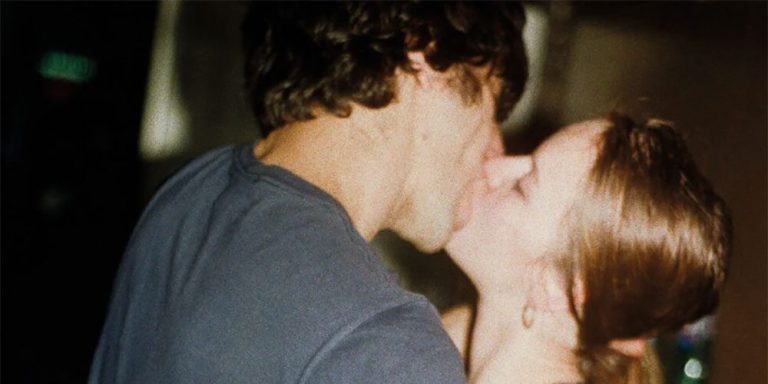
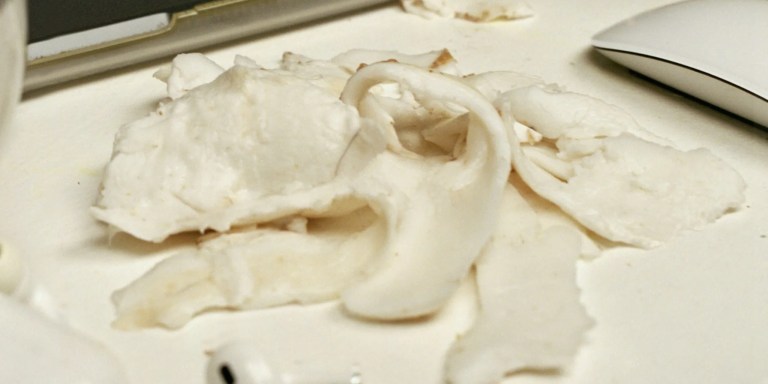
I can’t take all the credit for past artwork, Phoebe Phillips our old bassist did some of the album covers and we collaborated with others on some. Madelaine Ryan also directed ‘For all the Bears’ and ‘Lonely Type’ videos and helps with editing. I do generally do most of them mind mainly because we don’t have a budget, I made all the videos for the album and the artwork and it continues to be completely DIY on that front. I borrowed a white suit from Marks and Spencer for the album cover and projected white noise on myself which worked out really well!
You’ve stated that you feel this is the absolute best thing you’ve ever written. Having reached this milestone, how are you planning to translate these massive, multi-layered arrangements from your shed to a live stage with a full band?
It’s always fun to arrange the live versions, they never sound exactly like the recording but that’s the whole point of a live show and what I love about live music. We could like some other artists just play to backing tracks but we spend a long time on arranging the live set and getting it to sound the best it can. These new songs were actually easier to piece together than some of the older songs live as I feel Tony Draper stripped down the recordings somewhat so they are a bit less busy.
With Me and the Noise marking such a bold step up in scope and sound, what does the next chapter look like for Wasuremono once this record is fully out in the world?
Done and done and onto the next one…. Well I have been toying with the idea to get some of the older songs that people love re-mixed and re-mastered and re-release some of those as a series while I work on new music, so it’s not a long break again. It would be exciting to hear some more hi-fi versions mixed by Tony Draper. Is it too early for a ‘Best Of’ album ? Haha!
Discover more from Thoughts Words Action
Subscribe to get the latest posts sent to your email.