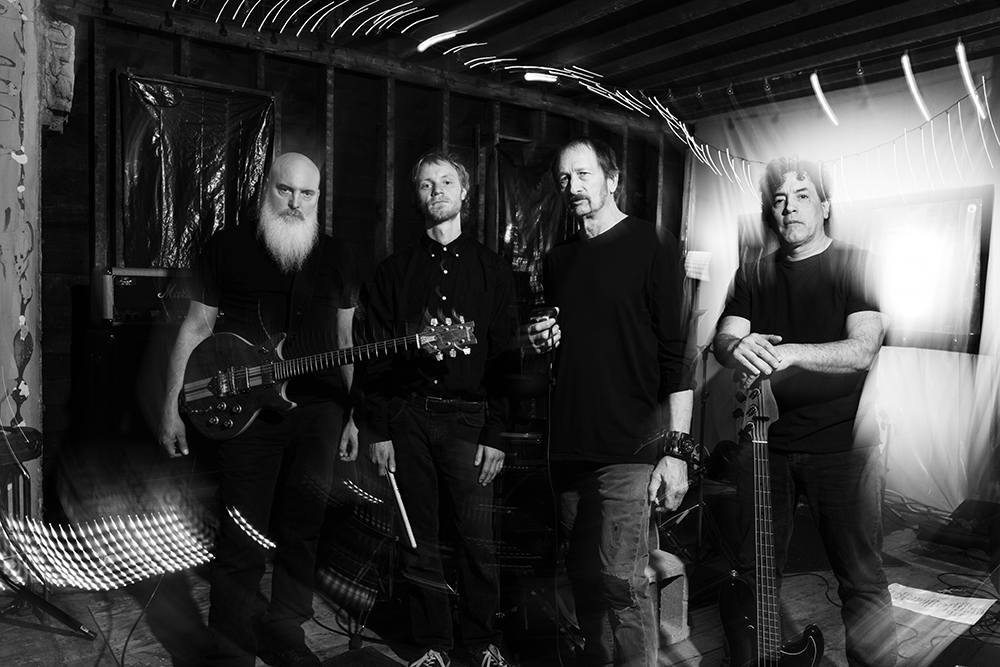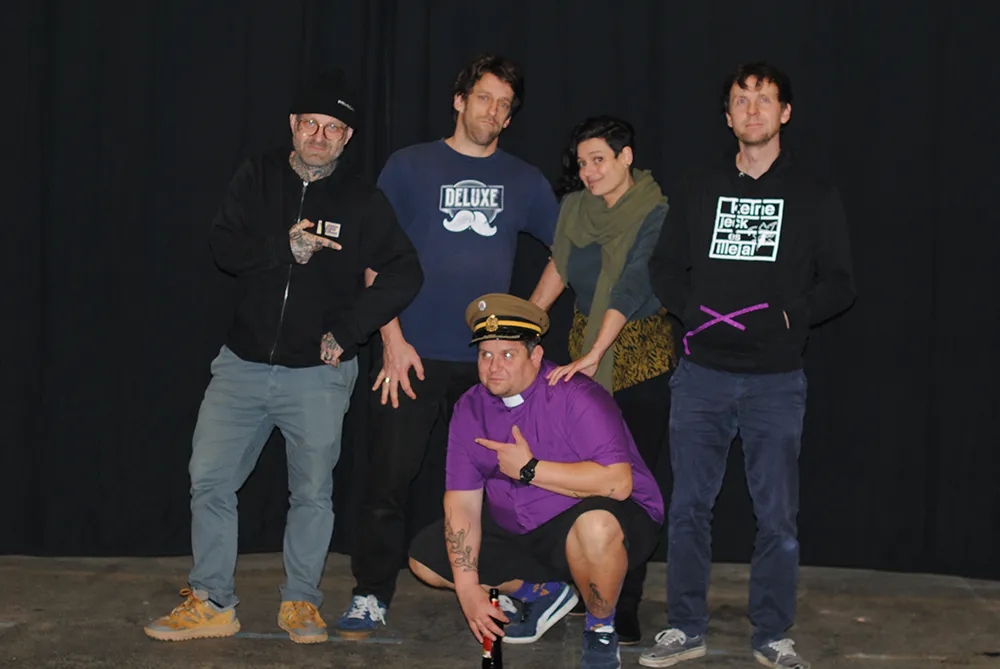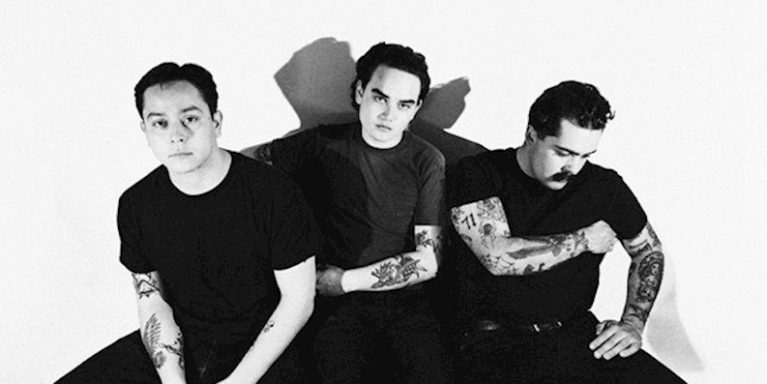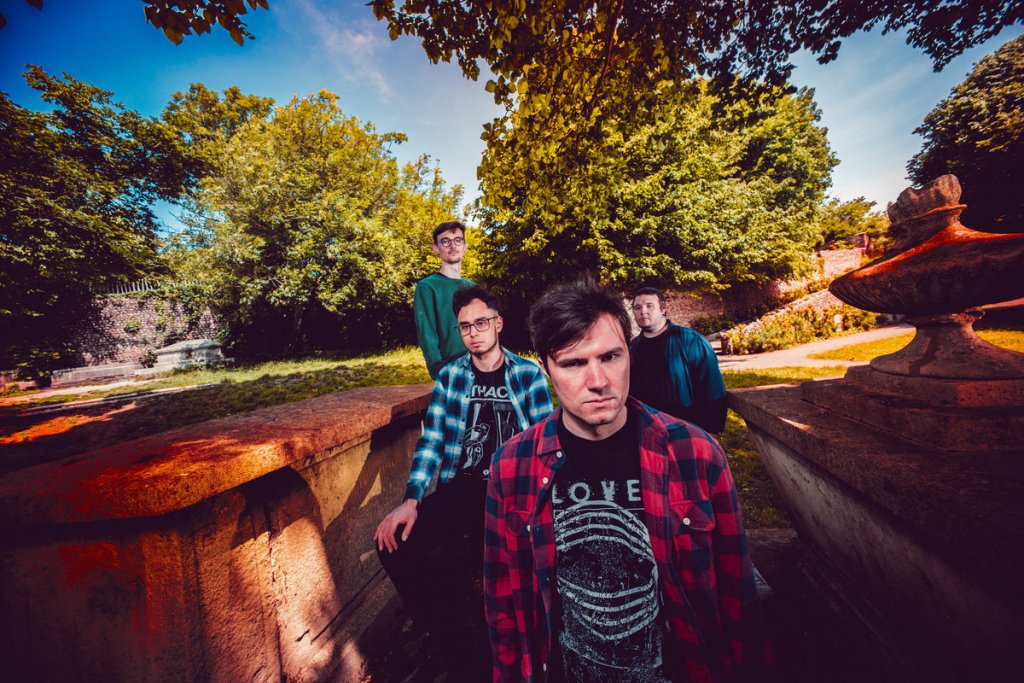
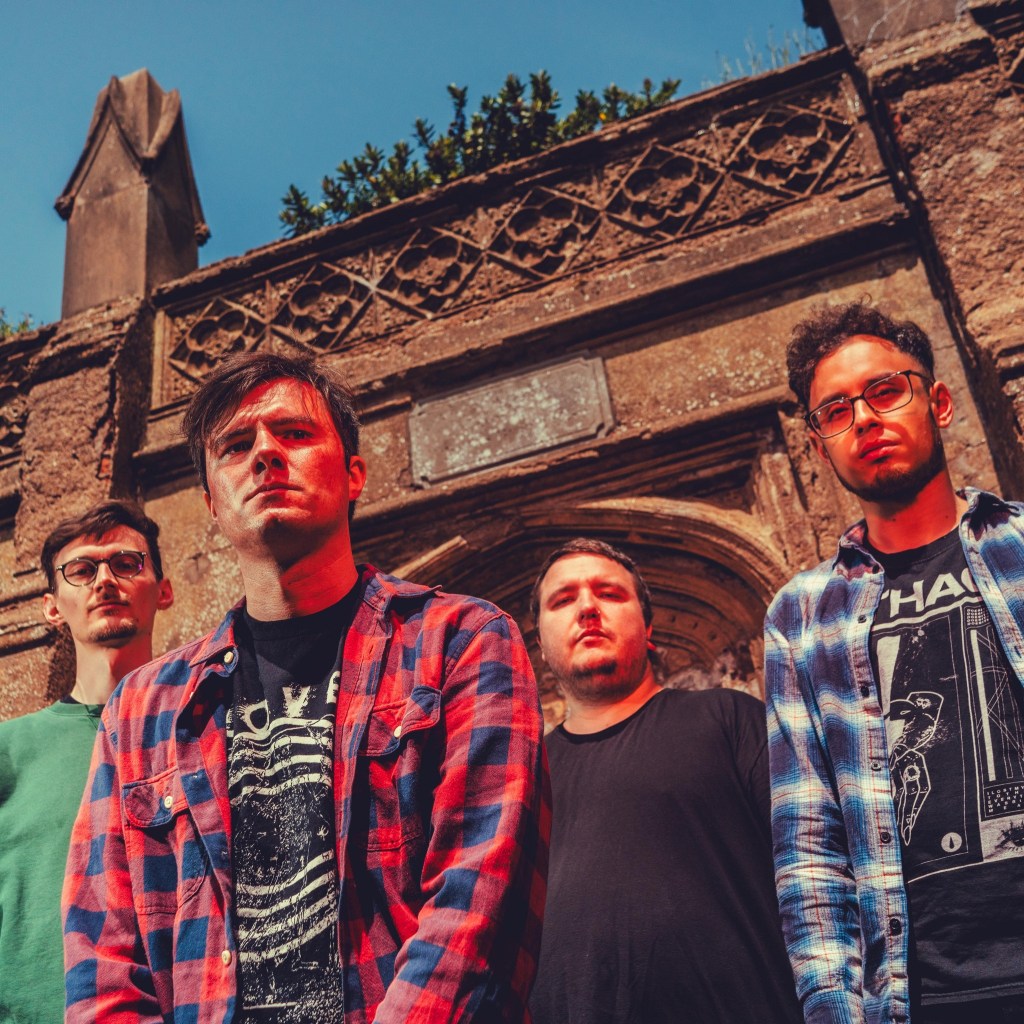
Our latest interview with Rob of Death Of Youth dives deep into their debut full-length, Nothing Is The Same Anymore. We explored the evolution from a DIY bedroom project to a formidable four-piece, discussing a songwriting process that balances thoughtful composition with raw, cinematic energy.
The conversation covers the album’s dual themes, ranging from urgent social anthems for trans rights to personal reflections on grief and trauma. From the soaring melodies of Midwest emo to the grit of melodic hardcore, we break down their wall of sound and what’s next for this rising UK powerhouse.
INTERVIEW
Thank you for taking the time to answer these questions. How have you been?
Really good thank you! The album’s been out a couple of weeks now, and the response to it has been incredibly positive from both the press and our fans. After over a year’s worth of work went into making it happen, it feels great to finally have the album out in the world for people to embrace if they choose to do so.
The title Nothing Is The Same Anymore carries a significant weight of finality and transition. Was there a specific collective realization or an inciting incident within the band that made this title feel like the definitive banner for your debut?
The title itself is a quote from the 90’s Space Opera TV series Babylon 5 which is one of my absolute favourite shows of all time. The quote comes at the end of the first season when the show started moving away from more “issue of the week” kind of stories and started making bolder swings which changed up the status quo of the show from week to week. It’s a quote that weighed heavy on my mind a year on from the end of my last relationship where I felt that it reflected how I felt about where my life was at that point compared to how it was when I was in that relationship. However, it’s also quite fitting with where things are in the world politically with the rise of fascism and the like.
How do you feel this record refines the Death Of Youth sound compared to your earlier iterations or demos?
In terms of the sound, I feel it’s probably the album that sounds the closest to how I envisioned this band sounding when I started it back in 2018. It’s probably the album that’s sonically the closest to the influences I had when it started – it feels like it has the right balance between the intensity and melody and continues on from the confidence that we discovered with “Suburban Dystopia”. However, I feel the biggest change is that we have actual drums on the album as opposed to the programmed drums on the EPs which were fine for what they were, but the real drums add so much life to the tracks and really help the album have the organic sound that it does.
The album is described as both deeply introspective and socially aware. Was it a conscious goal to marry the personal with the political, or did the two themes naturally bleed into one another during the writing sessions?
I think that’s just what we’ve been doing since Suburban Dystopia which began dipping its toes into more social and political territory whilst also having the space for more personal songs. This album delves even more headfirst into the political because it was always important for me that Death of Youth was more than just about me and my struggles. I still make sure to have space to explore my own demons if I need to, but I equally I feel I have more to say about our current existence than what’s going on in my life for the most part
Tracks like “Fix Your Heart or Die” and “Desensitised” tackle incredibly heavy social issues. How do you approach writing about these topics to ensure the message remains powerful and respectful without becoming performative?
I guess the main thing is to come at it from a place of honesty and conviction. I wouldn’t be writing about these topics if they weren’t things that weighed heavy on my mind. Another thing is to make sure you aren’t speaking for groups you don’t represent, so these songs are just my perspective on these situations. With both these examples, Fix Your Heart or Die is chastising those attacking trans people who, at the end of the day, just want to leave their lives in a way that feels authentic to them and it’s just absurd to me that we have to debate their right to exist in that way. With Desensitised, I’m speaking to my fellow men and asking for us to both hold ourselves and our peers to account and listen to women when they open up about the issues they face at our hands.
“Performance Art” addresses bigotry within the heavy music scene. As a band operating within that culture, how do you see the responsibility of artists to challenge their own community, and what kind of feedback, or pushback, have you encountered?
Hardcore has been thriving recently which is great, it means that we’re seeing an influx of people discovering the genre and the culture that goes along with it for the first time which is always great to see. However, that does mean that there’s people coming into things who aren’t aware of the politics which are baked into the DNA of Hardcore, and this is why I feel it’s important to speak about politics on stage. Some people watching you might not have been to a Hardcore show, and might not be aware of what the scene stands for. With Hardcore, the message and the music go hand in hand, and it’s important to make sure that the message doesn’t get lost in translation. There hasn’t been pushback from this song just yet, but there have definitely been some heated conversations with conservative ‘punks’ in the past who claim to have ‘always been here’
On the more personal side, “Invertebrate” deals with emotional abuse. When writing lyrics about trauma and interpersonal fractures, do you find the process more cathartic or emotionally taxing to revisit night after night?
Invertebrate isn’t so much of a personal song (at least, not from my perspective) as it’s not something I’ve personally experienced. However, it was inspired by experiences my ex partner told me about her ex before me. It was my way of expressing my anger towards someone who caused a lot of hurt towards someone I cared about whilst also tackling emotional abuse in general and calling out the cowardice of those who can only maintain relationships by tearing apart their partner’s self worth bit by bit.
With our song ‘Nothing Is The Same Anymore’, that song is about my journey of healing from trauma after the end of that relationship. Losing a relationship is hard at the best of times, but losing one due to external factors outside of how you feel about each other is even harder. The song is a piece of art reflecting the biggest hurdle I’ve experienced thus far, and the catharsis that comes from playing that song live is unmatched.
Musically, your sound is a complex combination of screamo, Midwest emo, and early 2000s post-hardcore. How do you balance the technical, mathy elements of those genres with the raw urgency required for hardcore?
We tend to find chords that have a nice melodic quality to them and play them at their required intensity. It also helps having the vocals always being full on screaming which adds the urgency needed to the more melodic and stripped back elements
The record has been compared to the likes of Touché Amoré, Defeater, and La Dispute. While those are high-water marks for the genre, how do you work to carve out a distinct Death Of Youth identity that avoids falling into the “The Wave” revivalist trap?
Every single album made for the passion for making music has something unique about it simply because the people writing it put a bit of themselves into the music. We definitely wear our influences on our sleeves, but these are our songs with our own take on their sound that also takes upon other sounds
Could you describe the collaborative dynamic when composing? Does the music usually start with a specific lyrical hook, or do you build the atmosphere through instrumental layering before the vocals are introduced?
We usually start with guitars as that’s the foundation that our songs our built around. We find some nice sounding chords and play around with them, find others that compliment them etc until we have a finished track. Then once a song is finished, we can tell from the vibe what kind of lyrics would fit that particular song.
How do you decide when a song needs a moment of atmospheric space versus an all-out sonic assault?
We usually just write as we go along and do what feels right for that particular song. There’s no point shoehorning parts of the song in for the sake of having them in there, it’s all about what that song needs whilst also making sure each one has a distinct identity
Beyond the obvious musical touchstones, are there any non-musical influences, literature, film, or specific social movements that informed the aesthetic or narrative tone of Nothing Is The Same Anymore?
David Lynch/Twin Peaks – the title of the song “Fix Your Heart or Die” is a quote of his character Gordon Cole speaking about David Duchovny’s character Denise about how he told people who had issues with Denise being trans to “Fix their hearts or die”, it felt like the most fitting title for a song about trans rights. There’s also the influence of the Rob Reiner film Stand By Me with the song “Castle Rock” as the finished track reminded me of the film’s themes of losing innocence and reflecting on childhood friendships, and the music video for ‘Nothing Is The Same Anymore’ was heavily inspired by the Silent Hill video game series.
You draw heavily from the early 2000s post-hardcore era. What is it about that specific period of heavy music that resonates with you today, and how are you trying to modernize those sonic aesthetics for a 2026 audience?
The balance between the heavy intensity and the melodic sensibilities as well as the bands in the scene that had something to say. I guess our way of making those elements sound fresh is by filtering them through other influences such as the bands that came in the wake of that scene such as Touche Amore and La Dispute as well as the Hardcore and Emo bands that lead to the birth of that era of Post Hardcore, and bringing those to the forefront when needed.
With the debut album out now on Engineer Records, what are the immediate benchmarks for the band? Are you looking toward extensive international touring, or are the seeds for a follow-up already being planted?
There’s a few ideas floating around for the next album, but we’re currently focusing on giving this album the time and love it deserves. We’re playing wherever we can in the UK to support the album whilst also balancing other things going on outside of the band this year, but we’re open to seeing where else this road will take us on”
If Nothing Is The Same Anymore is the first chapter of Death Of Youth, what is the core message or feeling you hope lingers with a listener once the final track fades out?
That no matter what you’re going through and how challenging life can be some times, you can find the strength to get through it. It won’t be easy or linear, but if you’ve made it this far, you’ll eventually get to where you need to be
That’s it. Thank you for your time. Is there anything you would like to say to our readers?
Thank you to everyone who has checked out the album! Hopefully we’ll cross paths soon enough.
Discover more from Thoughts Words Action
Subscribe to get the latest posts sent to your email.