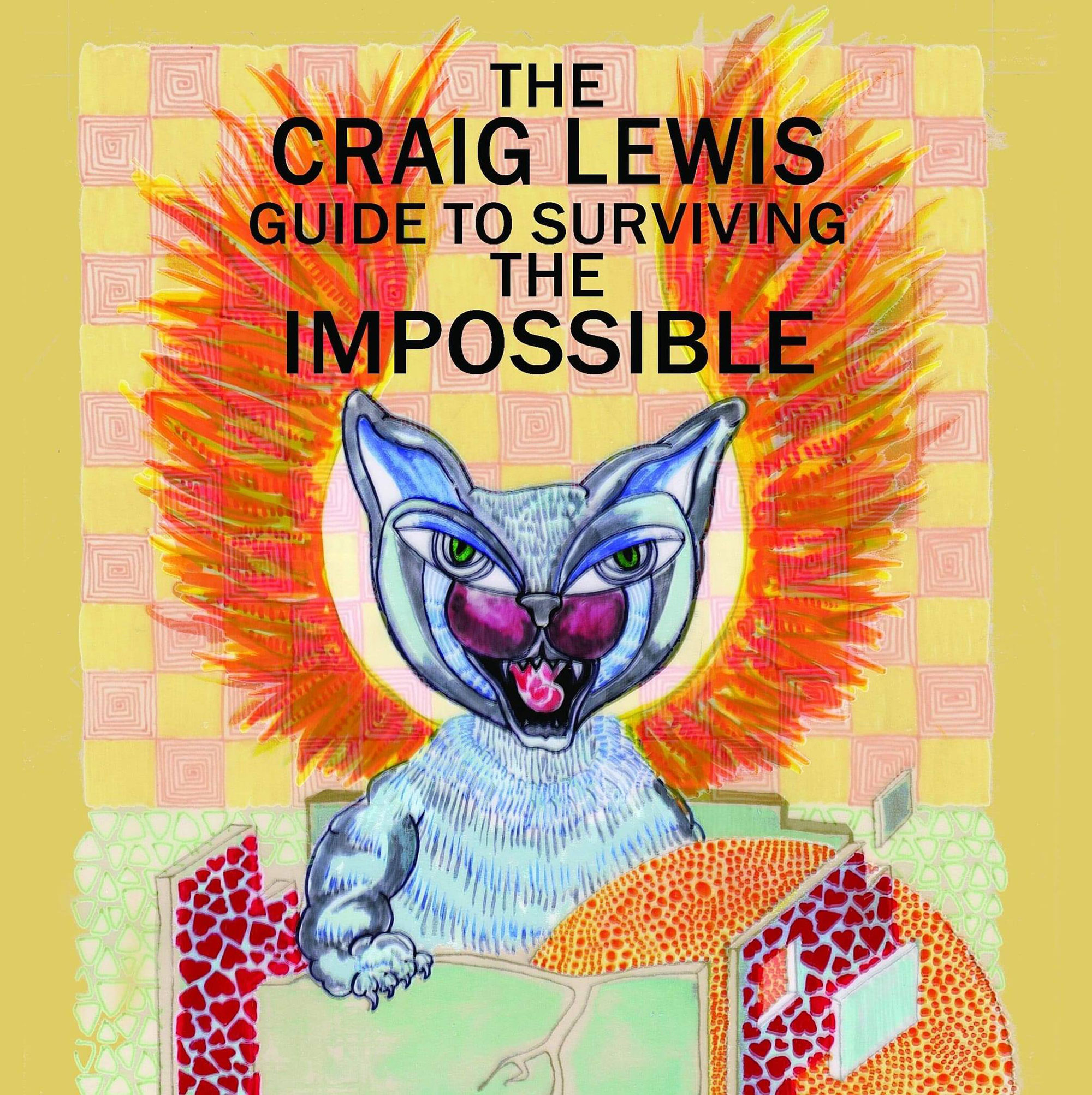
Now it’s time for more literature, and today we have a special one on our pages. Have you ever struggled with anxiety and unwillingness to do certain things or live your life to the fullest? Believe me, you’re not alone in this struggle, and every living being on this planet came across these obstacles that make life even harder to bear. It is part of our nature, our desire to be the best version of ourselves, and, like it or not, as much as we do it to satisfy ourselves by doing some improvements, we’re also doing it so the community, society, or our friends could accept us. Even if you’re confident in what you’re doing and handling your life like a pro, you should read The Craig Lewis Guide On Surviving The Impossible.
The Craig Lewis Guide On Surviving The Impossible is not just another ordinary guide about surviving/overcoming anxiety. It’s not closely specialized, and it gives more of a broader picture of what you could achieve if you just let yourself loose a little bit. The book forces you to learn how to figure out whatever you need to figure out, so you can later on walk through life without fear of being unaccepted by society. The author learned all of this the hard way, but that doesn’t necessarily mean you need to go through thick and thin to do the same. That’s the main reason why Craig Lewis wrote and published this book. Only you have the power to overcome all the obstacles that are pushing you down, and nobody will figure out better than yourself what you need to do, so you can set yourself free and succeed in your life.
Craig Lewis did an impressive job writing all these words of encouragement down and packing them into a book. Now, some picky readers would argue if this is a book or more like a brochure considering this fine piece of literature has only 50 pages, but there’s more than enough information that will lead you through the realization, healing, and overcoming of problems in your life. The author separated these 50 pages into 15 poems, passages, and worksheets, so you could figure out anything and work on the improvement without being confused by the explanations. The other thing that unquestionably helps the reader is Lewis’s direct, sincere, friendly approach to writing. Therefore, you will have the impression that you are taking pieces of advice from a long-time friend.
As I mentioned before, The Craig Lewis Guide On Surviving The Impossible comes as a 50 pages paperback book. You can purchase your copy directly from Craig Lewis or at Sanity Is A Full Time Job. Read Gregorio’s Hardcore Punk Blog on Idioteq HERE
Discover more from Thoughts Words Action
Subscribe to get the latest posts sent to your email.







The Craig Lewis Guide On Surviving The Impossible is praised here with the sort of language usually reserved for a breakthrough psychological treatment, yet it appears to be a short collection of personal reflections, poems, and worksheets. The review repeatedly suggests readers can overcome anxiety, heal from major life problems, and learn to navigate social acceptance through the author’s guidance, while simultaneously insisting that only the reader can figure things out for themselves.
The contradiction is hard to miss. If the book’s central message is “you already have the answers,” then what exactly is the unique expertise being offered?
The review leans heavily on Lewis’s personal suffering as evidence of authority. Personal experience can be valuable, but experience alone is not the same as clinical expertise, scientific evidence, or demonstrated effectiveness across different populations and conditions.
The language of the review is also remarkably grandiose for a 50-page workbook. We are told it can help readers realize, heal, overcome obstacles, free themselves, and succeed in life. These are extraordinary promises for what is essentially a brief self-help pamphlet.
Most concerning is the tendency—common throughout parts of the modern recovery industry—to blur the line between peer support and professional mental health guidance. A person sharing what worked for them can be useful. Presenting those experiences as broadly applicable solutions to complex psychological problems is another matter entirely.
Readers looking for encouragement may find comfort in Lewis’s story. Readers looking for rigorous psychological insight, evidence-based treatment principles, or careful discussion of serious mental health conditions may find considerably less than the review promises.