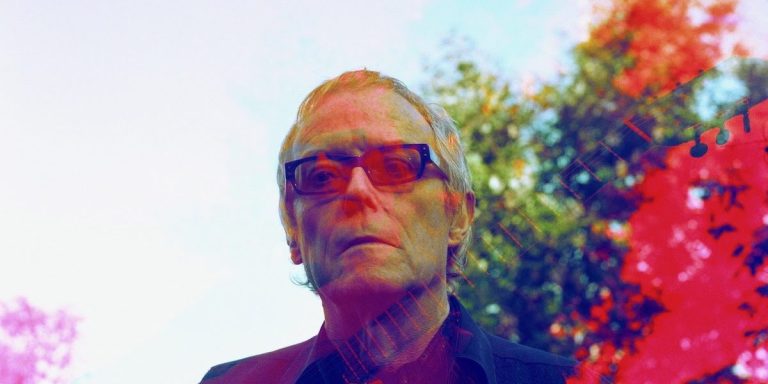
After a thirteen-year studio hiatus, indie artist Block makes a return with his new album. I recently sat down with Block to dive into the mechanics behind this remarkable comeback. In our interview, we spoke about “Love Crash,” breaking down his intricate songwriting and composing process alongside the deeply personal song themes driving the record. We also discussed the strategy of picking the right singles before the release date, and plenty of other cool stuff.
Hello! Thank you so much for taking the time to answer these questions. How have you been?
It’s a really good time these days. Thanks for asking.
Love Crash is your first new record in 13 years. How does it actually feel to have these songs out in the world, and what has been the most rewarding part of returning to the cycle of writing and releasing music?
The most rewarding part is getting it done. And loving what you’ve created. That is ultimately the beginning and the end of it if you think of it like a football metaphor: it’s one thing to get the ball onto the 10 yard line, but it’s an entirely different journey getting it into the end zone. Those last few yards can be the most difficult and brutal. And I feel like with Love Crash, I got it into the end zone.
You’ve described the writing process for this album as reaching for the guitar while cracked open and not sleeping. Can you talk about how these 10 tracks became the rungs of a ladder out of that dark place?
During the most difficult times in my life of heartbreak and loss, externalizing the feelings into some sort of form, in this case a song, has helped me get through it. It’s as if the pain and discomfort is not purposeless, but rather, an invitation to dig deep and express some sort of truth.
The new record deals heavily with heartbreak and loss, but there’s also a distinct thread of humor and the joy of simply being alive. How do you balance that kind of heavy vulnerability with levity when you sit down to write?
Well, I’ve always said if you lose your sense of humor, you’re done. In the grand scheme of things, with everything going on in the world that is truly tragic, heartbreak and loss is actually very commonplace, it’s normal. There’s nothing unique or special about having a broken heart. In fact, it’s very very human. I wouldn’t know what to make of somebody who didn’t have their heart broken by life. But ultimately, there is a humor to it as well – I don’t know why but there is.
You introduced this era with three breakthrough singles: “I Thought I Won The War,” “Over And Over,” and “Firefly.” What was it about these specific tracks that made them the perfect gateway into the rest of the album?
Blake Morgan at the label really spearheaded those choices. And I trusted him. And I’m glad I did.

Looking back at your early underground anti-folk days versus your major-label debut, how has your actual composing and songwriting dynamic evolved for Love Crash?
The truth is my writing process is very similar to the way it was back in the 90s. The only difference on this album is that I decided to share my incomplete songs with some very close songwriter-friends who I respected. I would Voice Memo the first verse or two and a chorus. I think in the past I would’ve felt uncomfortable doing that. But it was super-helpful. Mainly just to get the encouragements, to realize that it was good.
You worked with Chris Kuffner on production. What did he bring into the studio that helped capture the raw, intimate feel of these songs?
Working with Chris was transcendent. He’s a brilliant genius with a heart of gold, who’s connected to the spiritual dimension of life perhaps in a way that I’m not. I trusted him completely. We just went hog-wild in the studio trying different things.
Blake Morgan mixed and mastered the album. How did his ear help shape the final product, and what was that collaborative process like?
It was Blake that took all of the disparate ideas and experimentations and skillfully hounded them into their essence. I tried a couple of other mixers before that and I wasn’t happy. I’m so glad things worked out with Blake. I love listening to this album now.
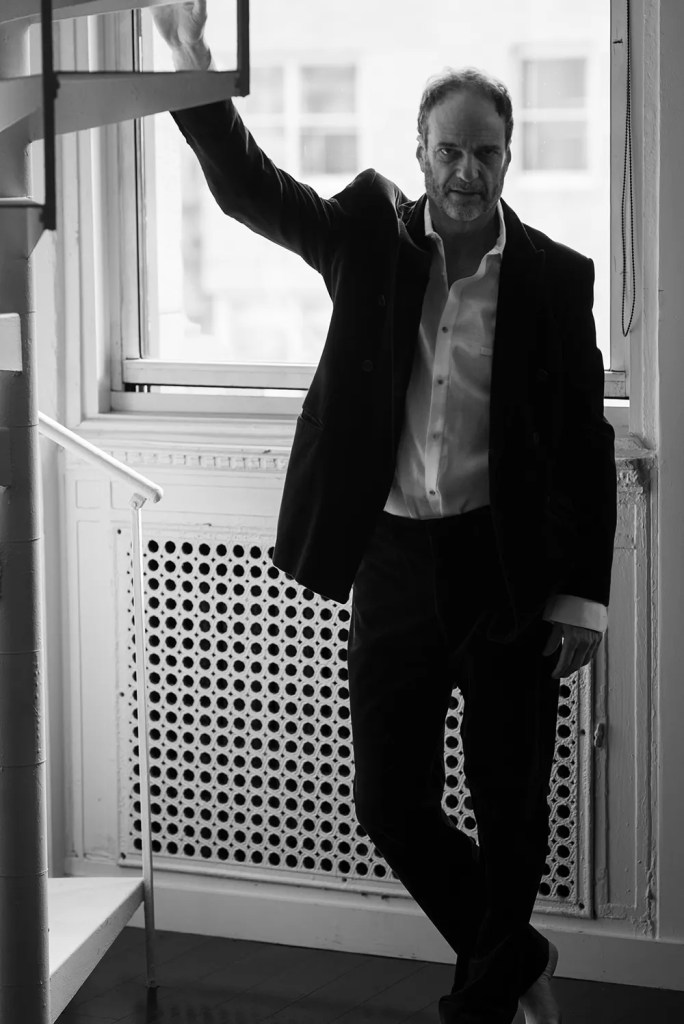
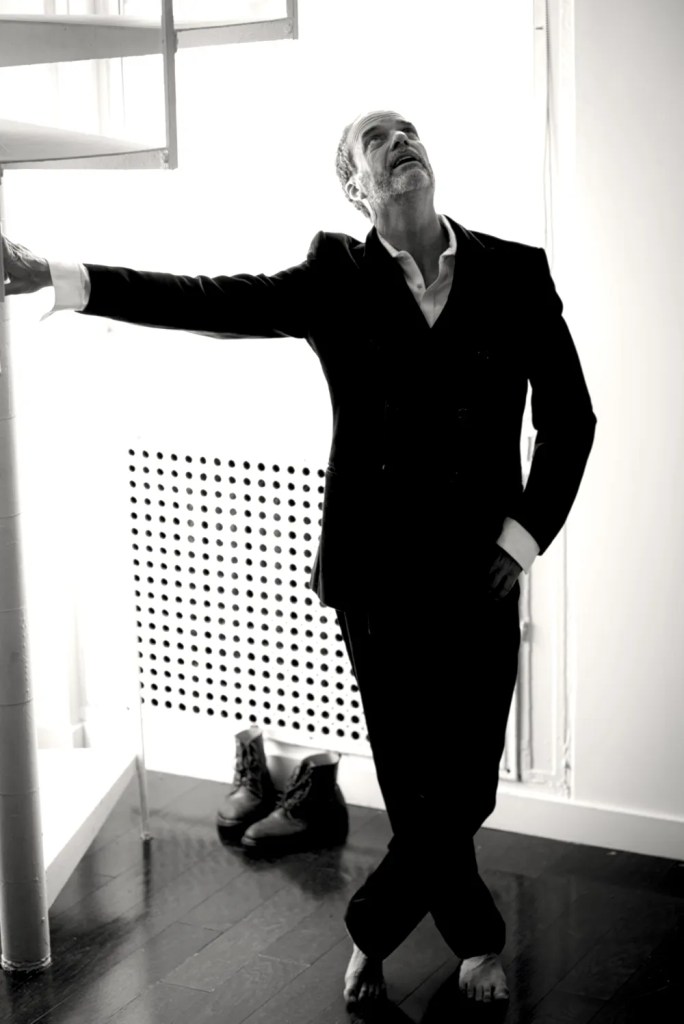
You recently put out a massive four-part deluxe reissue of your back catalog. Did revisiting so much of your past work influence the direction of the new material?
Well, the new material was pretty much done, or getting finished as those back catalog releases were coming out. So it didn’t influence this album directly. But I will say that it was super fun to hear these albums again and re-introduce them and get such a positive response for my life’s work.
You mentioned reclaiming lost parts of yourself during this release cycle. What were those parts, and how do they manifest musically or lyrically on the new record?
Well, that’s just it. I don’t keep it a secret that I’ve had a day job that I’ve loved. It’s very involved and my artistic side, my artistic essence was on the deep back burner for many years. It’s now right on the front burner! I’m going out and doing shows on the road. These are all things I never thought I would do again. I’m ery grateful.
The late ’90s New York scene you helped launch has had a massive ripple effect on modern indie, folk-punk, and lo-fi. Do you hear echoes of that era in the music being made today, and does it inspire you?
Oh totally. There’s so much amazing music going on now and so many unique and kooky ways to record songs. Mixing genres has always been something I’ve enjoyed. And dissonance. All of that stuff is alive and well!

With exactly 10 tracks, the album feels incredibly intentional and focused. How did you approach the sequencing to ensure it told the right story?
I think I was too close to it all to do the sequencing. Blake Morgan, again, came to the rescue. He’s a label president who thinks of records in the way that it used to be in the “before times”, when albums were a complete body of work, and the sequencing critical. Yes.
Finding the right home for a comeback record is crucial. How has joining the roster at Meridian/ECR impacted your creative frand your confidence in this release?
Blake and his team are truly one in 1 million. Their dedication to artist integrity and a fierce determination to position the album in the best place to have success is truly unique. I didn’t shop around too much. After I talked to Blake, I knew he and his team were the way to go.!
You’re reaching a whole new audience alongside your longtime fans. Does the way you connect with listeners today feel different from the way it did a decade ago?
Oh for sure. It’s much better now. There’s many more ways to present the songs. Fun and creative ways to include video. People tend to deride the music industry. I don’t. I think every time has its positives and negatives. Don’t romanticize the “before times” – it was kind of fucked up then too!
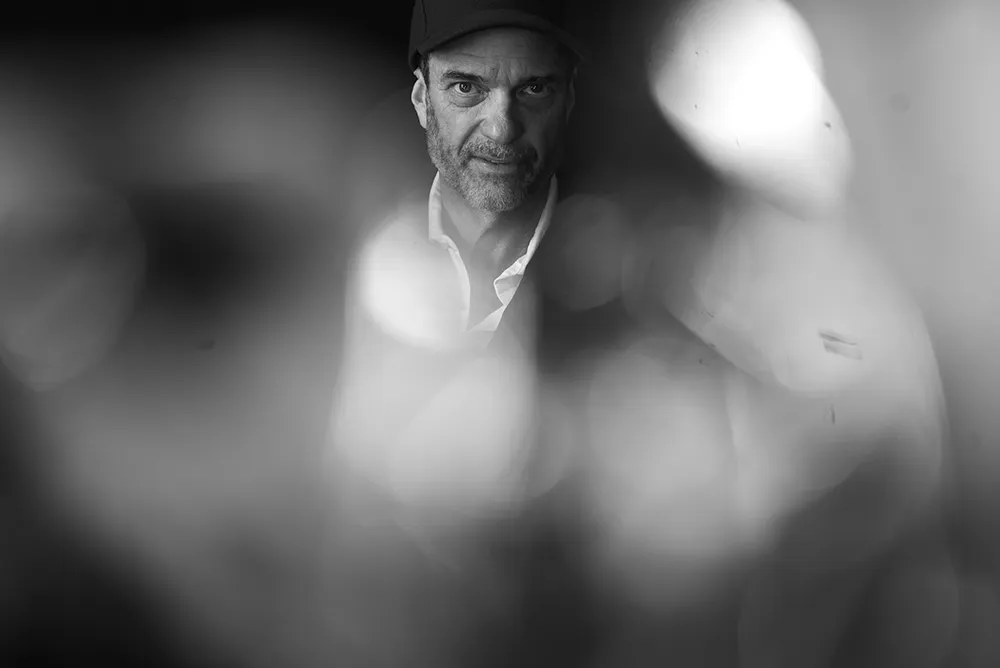
Now that you’ve made it out of the dark place and the record is finally here, what does the immediate future look like? Are you focusing on touring, or are you already feeling the itch to write the next batch of songs?
You got it. I’m itching to write the new batch of songs and work on a new album. I can’t wait.
That’s it. Thank you for your time. Anything you would like to say to our readers in the end of this interview?
I really appreciate these questions. It means the world. Keep on!
Discover more from Thoughts Words Action
Subscribe to get the latest posts sent to your email.