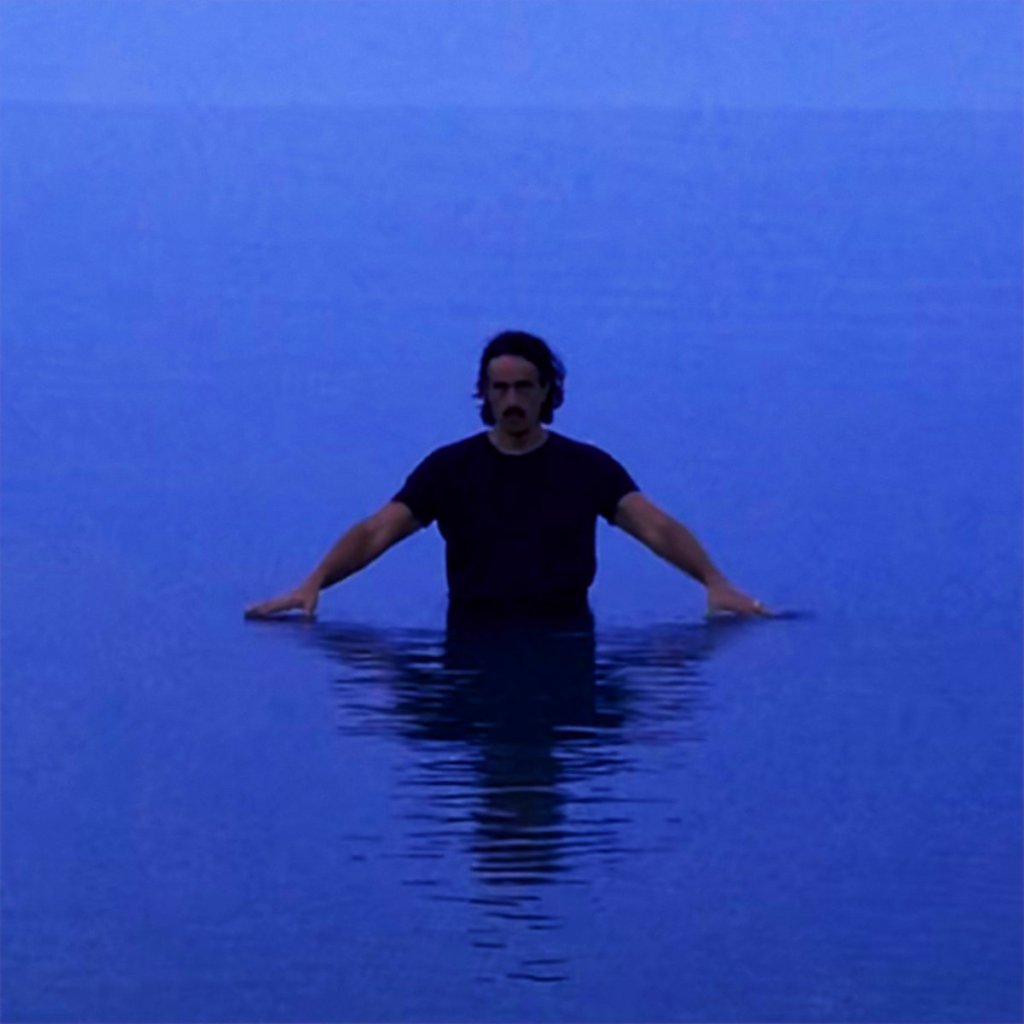
Daniel Benyamin’s Life After Music is more than an album—it’s a philosophical and artistic critique of modern music culture in the age of streaming and AI. Created in isolation at “Dolphin Palace,” a remote studio near Mount Olympus, the double album explores themes of loneliness and space, life and silence, each thematic making the title of each side of a double vinyl.
Benyamin argues that music today has become oversaturated and emotionally diluted by endless playlists, algorithmic recommendations, and AI-generated content. He questions whether people have truly “evolved” in how they listen, or whether they’ve simply forgotten how to listen deeply. According to him, music that once shaped identity and culture has increasingly become passive background noise.
To create the album, Benyamin withdrew into nature to escape technological overload and search for emotional, irrational inspiration—something he believes AI cannot replicate because it operates through calculation rather than genuine creativity. The resulting 84-minute album intentionally resists modern consumption habits by embracing slowness, silence, and introspection.
Musically, the album begins with accessible, melodic pop songs before gradually dissolving into quieter, more abstract and melancholic soundscapes. This progression mirrors the album’s central idea: moving away from noise and overstimulation toward stillness and reflection.
The project also carries a social and political dimension. Benyamin co-founded the Ghost Palace Artist Society, which advocates for universal basic income for artists and greater artistic freedom in response to economic and technological pressures on creatives.
Ultimately, Life After Music does not offer definitive answers about AI, streaming culture, or the future of art. Instead, it invites listeners to slow down, embrace solitude, and rediscover depth, humanity, and emotional connection in music.
Discover more from Thoughts Words Action
Subscribe to get the latest posts sent to your email.