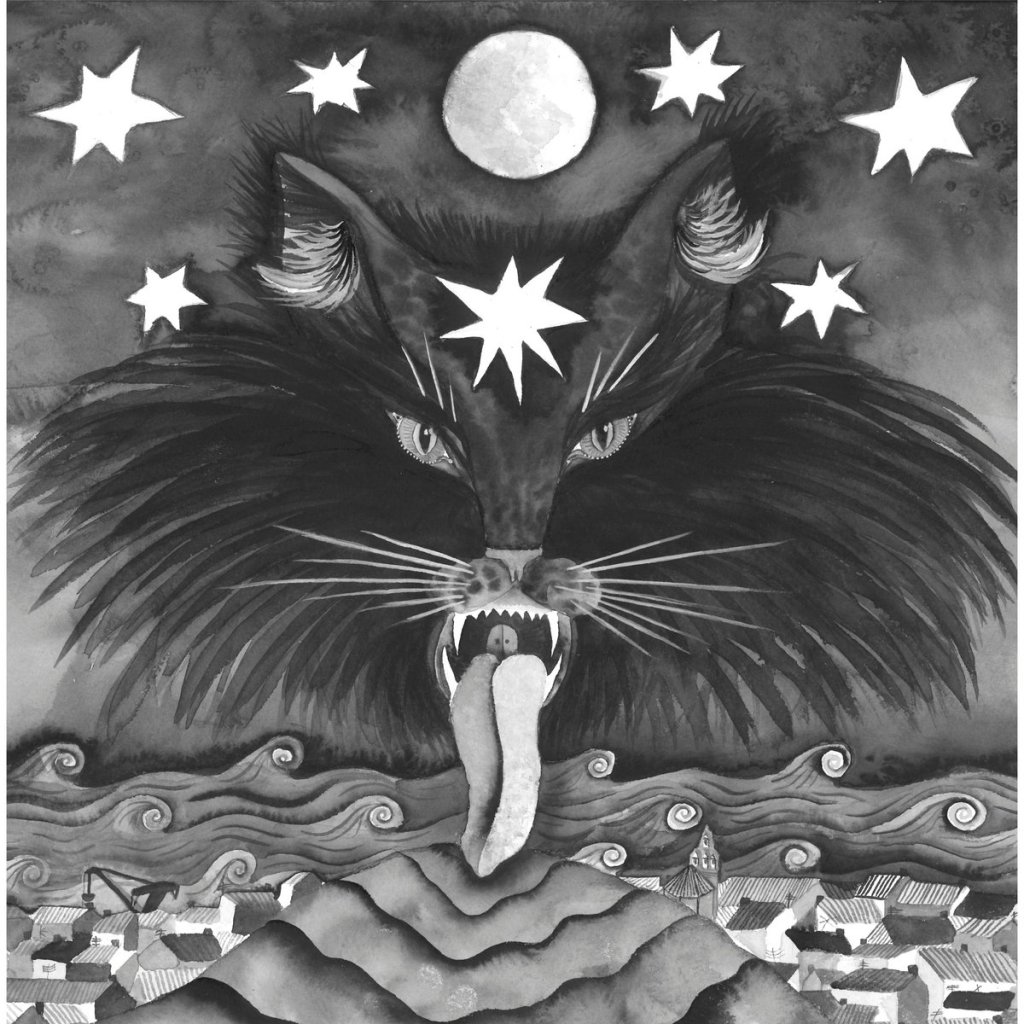
If you’ve been keeping up with my scribblings here at Thoughts Words Action, you know I have a deep-seated fascination with artists who treat an album as a living, breathing ecosystem. There’s something special about music that refuses to be put into a tidy little box. Today, we’re heading to Belgium to look at a project that has been consistently pushing the envelope of what experimental really means. I’m talking about Monolithe Noir and the latest full-length offering, La foi gelée. This is a massive, lounging, and deeply intimate journey that sits perfectly at the intersection of melodic obsession and emotional sonic exploration. It’s an album born out of a period of intense transition, moving cities, becoming a parent, and grappling with the heavy weight of grief, all while trying to find a sense of brightness in the shadows. What immediately strikes me about La foi gelée is the sheer ambition of the instrumentation. We’re used to seeing the instrument vs. machine divide in a lot of modern post-rock, where you either have a rock band or an electronic producer. Monolithe Noir completely ignores that line. The soundscapes here are incredibly luxurious, crafted by merging layers that shouldn’t necessarily fit together but somehow form a perfect, cohesive whole.
A comprehensive collection of guitars, keys, and synthesizers act as the foundation, but then you have the organic, weeping textures of bowed strings, violin, viola, and cello that elevate the record into a cinematic experience. There are moments that evoke the frantic pace of a city chase and others that feel like a slow, nocturnal crawl through steep, foggy alleyways. The addition of field recordings adds a layer of found reality to the music. It makes the experience feel grounded and documentary-like, which makes sense given the artist’s recent work in audio documentaries. It’s as if the sounds of the world have bled into the studio, blurring the lines between art and life. While the Monolithe name might suggest something static or immovable, this album is remarkably dynamic. A huge part of that is down to the rhythm section. On this record, the bass truly asserts itself as the ruling instrument. It’s thick, prominent, and carries a melodic weight that often leads the way through the more chaotic experimental sections. Paired with excellent, organized, and unpredictable drumming, the rhythm section provides a much-needed balance. It keeps the avant-garde tendencies from drifting off into total abstraction, giving the listener a pulse to hold onto while the synths and strings swirl overhead. It’s this interplay between the organized and the unrestrained, making the album so rewarding on repeat listens.
But the vocal performance is one that shines in the limelight. This is easily the most sung project in Monolithe Noir’s catalog to date. The soulful, passionate, and deeply emotive voice slips quietly into the mix like another instrument, while in others, it stands fully upfront, raw and vulnerable. There is intimate storytelling acting like a confession. Even when the music addresses heavy themes like loss and mourning, there is a brightness in the delivery, a sense of finding the love and meaning necessary to keep moving forward. The album unfolds like a mountain range. You find yourself climbing through intense, frantic peaks before decanting into murky, half-soothing, half-unnerving baths of sound. It’s a record of gates, each track feels like an invitation to step further into a world where you aren’t quite sure if you’re moving forward or backward. There’s a central piece on the record feeling like the heart of the entire project, condensing all these themes of grief, fatherhood, and creative rebirth into one spot. It brings together a whole clique of musicians to create a massive, orchestral sound that pays tribute to those who swim toward the open sea without looking back. It’s a brave way to make music, losing oneself in the craft so the listener can do the same. The shift toward saturated guitars and more prominent bowed strings gives La foi gelée a different ambiance compared to previous works. It feels more human and tactile. It’s krautrock in spirit, that relentless, motorik drive is there, but it’s dressed in the clothes of post-punk and avant-rock, with a heart that beats with the sincerity of a singer-songwriter.
If you are a fan of experimental rock that actually has a soul, this record is a must. Too often, experimental is used as a shield for music that is cold or distant. Monolithe Noir has done the opposite. This is a warm, breathing record that invites you in, even when the subject matter is difficult. It’s a marvelous release for anyone who digs the rhythmic depth of krautrock, the atmospheric tension of post-rock, and the intellectual curiosity of avant-rock. It’s the sound of a craftsman at the top of his game, drawing nourishment from his surroundings and turning his personal history into something universal. Belgium has always had a knack for producing these kinds of genre-blind artists, and with La foi gelée, Monolithe Noir has firmed its place at the forefront of the scene. It’s an album that demands your full attention, and trust me, it earns it. Whether you’re navigating your own emotional mountain ranges or just looking for a record that pushes the boundaries of what a solo project can achieve, this is the one. Grab your headphones, find a quiet space, and let yourself get lost in the fog. You might not know where you’ll end up, but the journey is absolutely stunning.

 Thoughts Words Action