Joy Division and New Order are two of the most influential bands in the post-punk and electronic music genres. Emerging from the bleak industrial landscape of Manchester, these bands transformed the music scene with their innovative sounds and emotionally charged performances. This biography delves into their origins, evolution, and enduring legacy, exploring how Joy Division’s tragic end paved the way for the rise of New Order.
Origins and Formation
Joy Division’s Early Days (1976-1978)
The story begins in 1976 when Bernard Sumner and Peter Hook attended a Sex Pistols concert at the Manchester Lesser Free Trade Hall. Inspired by the raw energy and DIY ethos of punk, they decided to form a band. Initially called Warsaw, they were later joined by Ian Curtis as the lead vocalist and Stephen Morris on drums, completing the lineup that would become Joy Division. Renaming themselves Joy Division in 1978, they were inspired by the novel “House of Dolls” by Ka-tzetnik 135633, which referenced the Nazi prostitution wings during World War II.
Initial Recordings and the Manchester Scene
Joy Division quickly became a key part of the Manchester music scene, which included bands like The Buzzcocks and Magazine. They released their debut EP, “An Ideal for Living,” in 1978. Produced independently, it showcased their developing sound, characterized by Hook’s melodic bass lines, Sumner’s minimalist guitar work, Morris’s driving rhythms, and Curtis’s haunting vocals. Their early performances captured the attention of Tony Wilson, a TV personality and co-founder of Factory Records.
Rise to Fame
Factory Records and Debut Album (1979)
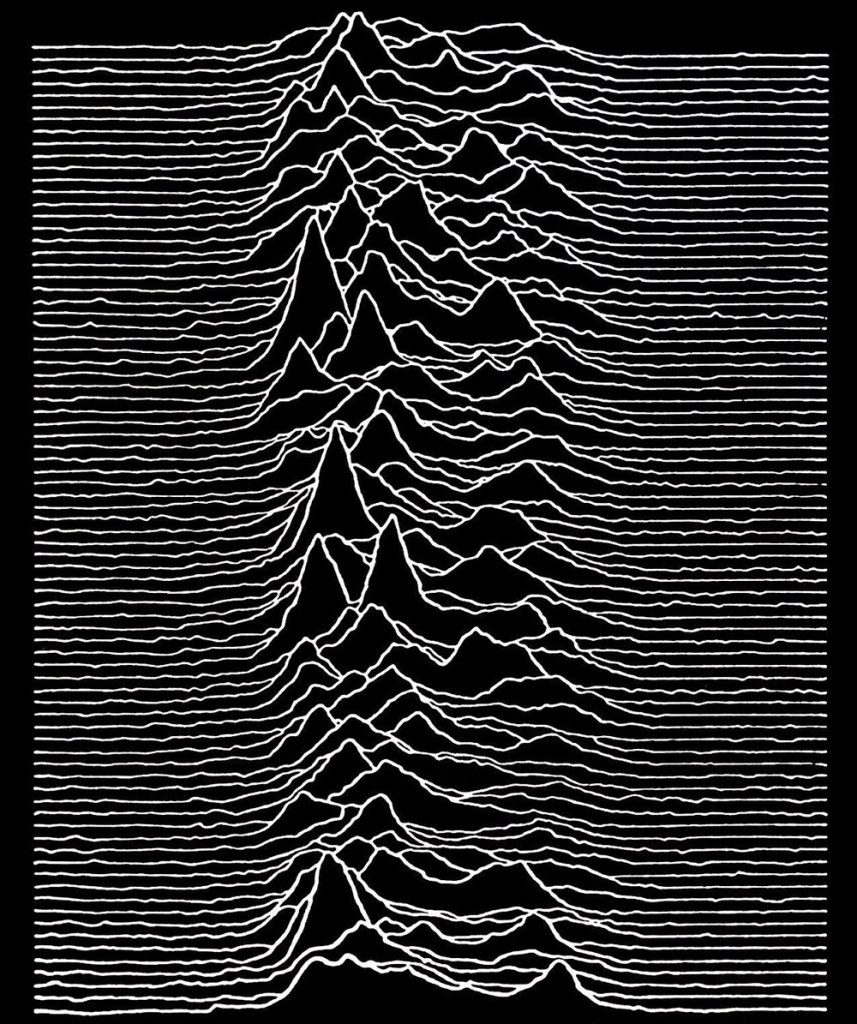
In 1979, Joy Division signed with Factory Records. Tony Wilson played a crucial role in their development, giving them creative freedom and ensuring their music reached a wider audience. The band’s debut album, “Unknown Pleasures,” was recorded with producer Martin Hannett. Released in June 1979, it featured iconic tracks like “Disorder,” “She’s Lost Control,” and “Shadowplay.” The album’s stark, atmospheric sound and Peter Saville’s minimalist cover art became defining elements of Joy Division’s aesthetic.
Impact and Influence of “Unknown Pleasures”
“Unknown Pleasures” received critical acclaim and steadily grew in popularity. The album’s dark, introspective lyrics and innovative production techniques distinguished Joy Division from their contemporaries. They quickly developed a dedicated fan base and began to gain international recognition. Curtis’s enigmatic stage presence and emotionally intense performances further cemented their reputation as a groundbreaking band.
Tragedy and Transformation
Ian Curtis’s Struggles and “Closer” (1980)
Despite their rising success, Joy Division faced internal struggles, particularly with Ian Curtis’s health. Diagnosed with epilepsy, Curtis suffered from severe seizures that affected both his personal life and performances. His mental health deteriorated, exacerbated by the pressures of fame and a failing marriage. These themes of despair and isolation permeated their second album, “Closer,” recorded in early 1980 and released posthumously in July 1980.
Ian Curtis’s Death and Aftermath
Tragically, on May 18, 1980, Ian Curtis took his own life at the age of 23. His death shocked the music world and left the remaining members devastated. “Closer” became a poignant final statement, featuring songs like “Isolation,” “Heart and Soul,” and “Twenty Four Hours,” which further explored Curtis’s inner turmoil. The album was hailed as a masterpiece, cementing Joy Division’s legacy as a band that defined the post-punk era.
Emergence of New Order
The Birth of New Order (1980-1981)
Following Curtis’s death, the surviving members of Joy Division faced a difficult decision. After a period of mourning and reflection, they decided to continue making music, adopting the name New Order. Sumner took on vocal duties, and Gillian Gilbert, Sumner’s girlfriend, joined as a keyboardist and guitarist. This marked the beginning of a new chapter, with the band exploring a more electronic and dance-oriented sound.
Early Releases and Breakthrough (1981-1983)
New Order’s early work retained some of Joy Division’s melancholic undertones but incorporated synthesizers and drum machines. Their debut album, “Movement,” released in 1981, reflected this transitional phase. While it received mixed reviews, it hinted at the band’s future direction. The turning point came with the release of the single “Blue Monday” in 1983. The track’s innovative fusion of electronic dance music and rock became a massive hit, solidifying New Order’s place in music history.
Success and Innovation with “Power, Corruption & Lies” (1983)
New Order’s second album, “Power, Corruption & Lies,” released in 1983, marked their full embrace of electronic music. Tracks like “Age of Consent,” “Your Silent Face,” and “Leave Me Alone” showcased their ability to blend synth-pop with post-punk sensibilities. The album’s success established New Order as pioneers in the emerging electronic and dance music scenes, influencing countless artists and shaping the sound of the 1980s.
New Order’s Dominance and Evolution
International Success and “Low-Life” (1985)
By the mid-1980s, New Order had achieved international success, thanks in part to their innovative approach to music production and their willingness to experiment with different genres. Their 1985 album “Low-Life” continued this trend, featuring hits like “Love Vigilantes” and “The Perfect Kiss.” The band’s use of synthesizers, sequencers, and drum machines created a distinctive sound that resonated with a broad audience.
“Brotherhood” and “Substance” (1986-1987)
New Order’s next album, “Brotherhood,” released in 1986, further solidified their status as one of the leading bands of the decade. The album balanced rock elements with electronic influences, producing memorable tracks like “Bizarre Love Triangle” and “Angel Dust.” In 1987, they released “Substance,” a compilation album featuring singles, B-sides, and remixes. “Substance” included iconic tracks such as “True Faith” and “Temptation,” becoming one of their best-selling albums and a definitive collection of their work.
Artistic Growth with “Technique” (1989)
In 1989, New Order released “Technique,” an album that showcased their continued artistic growth and adaptability. Recorded in Ibiza, the album incorporated elements of the burgeoning acid house movement, blending it with their signature electronic sound. Tracks like “Fine Time,” “Round & Round,” and “Vanishing Point” highlighted their ability to stay relevant and innovative in a rapidly changing music landscape.
Challenges and Resilience
Internal Conflicts and Hiatus (1990-1998)
Despite their success, New Order faced internal conflicts and personal challenges. The pressures of constant touring, creative differences, and substance abuse issues took their toll on the band members. In 1990, they released the album “Republic,” which included hits like “Regret” and “World.” However, tensions within the band led to a hiatus in 1993, with members pursuing solo projects and other musical ventures.
Reunion and “Get Ready” (2001)
After several years apart, New Order reunited in the late 1990s and began working on new material. Their 2001 album “Get Ready” marked their return to the music scene. The album featured a more guitar-driven sound, with tracks like “Crystal” and “60 Miles an Hour” receiving positive reviews. The band’s renewed energy and focus demonstrated their resilience and ability to adapt to new musical trends.
Legacy and Influence
Continued Success and Innovation
New Order continued to release music and tour throughout the 2000s and 2010s, maintaining their status as influential pioneers in the music industry. Albums like “Waiting for the Sirens’ Call” (2005) and “Music Complete” (2015) showcased their enduring creativity and ability to evolve with the times. Their willingness to experiment with different sounds and genres ensured their relevance across decades.
Impact on Music and Culture
Joy Division and New Order’s impact on music and culture cannot be overstated. Joy Division’s intense, introspective music and Curtis’s tragic story inspired countless artists and bands. New Order’s innovative fusion of electronic and rock music paved the way for the electronic dance music (EDM) revolution and influenced numerous genres, including synth-pop, house, and techno. Their work has been sampled, covered, and referenced by a wide range of musicians, cementing their legacy as true innovators.
Contributions to the Manchester Music Scene
Both bands played a crucial role in putting Manchester on the musical map. Their association with Factory Records and the legendary Hacienda nightclub helped establish the city as a hub for musical innovation. The “Madchester” scene of the late 1980s and early 1990s, which included bands like The Stone Roses and Happy Mondays, was heavily influenced by Joy Division and New Order’s pioneering spirit.
Personal Reflections and Perspectives
Band Members’ Views on Their Journey
The members of Joy Division and New Order have often reflected on their journey, acknowledging the highs and lows of their careers. Bernard Sumner, Peter Hook, Stephen Morris, and Gillian Gilbert have shared their experiences in interviews and autobiographies, providing insight into the creative processes, challenges, and triumphs they faced. Their reflections offer a deeper understanding of the band’s dynamics and the personal stories behind the music.
Fans’ Enduring Devotion
The devoted fan base of Joy Division and New Order exemplifies the enduring power of their music. Fans from different generations and backgrounds continue to connect with their songs on a profound level. The emotional depth, innovative soundscapes, and timeless appeal of their music have created a lasting bond with listeners, ensuring their place in the annals of music history.
Joy Division and New Order’s story is one of transformation, durability, and innovation. From the raw energy of their punk beginnings to the groundbreaking fusion of electronic and rock music, they have left an indelible mark on the music world. Joy Division’s brief but impactful existence set the stage for New Order’s emergence, leading to decades of success and influence. Their legacy endures, inspiring new generations and reminding us of the immense power of music.