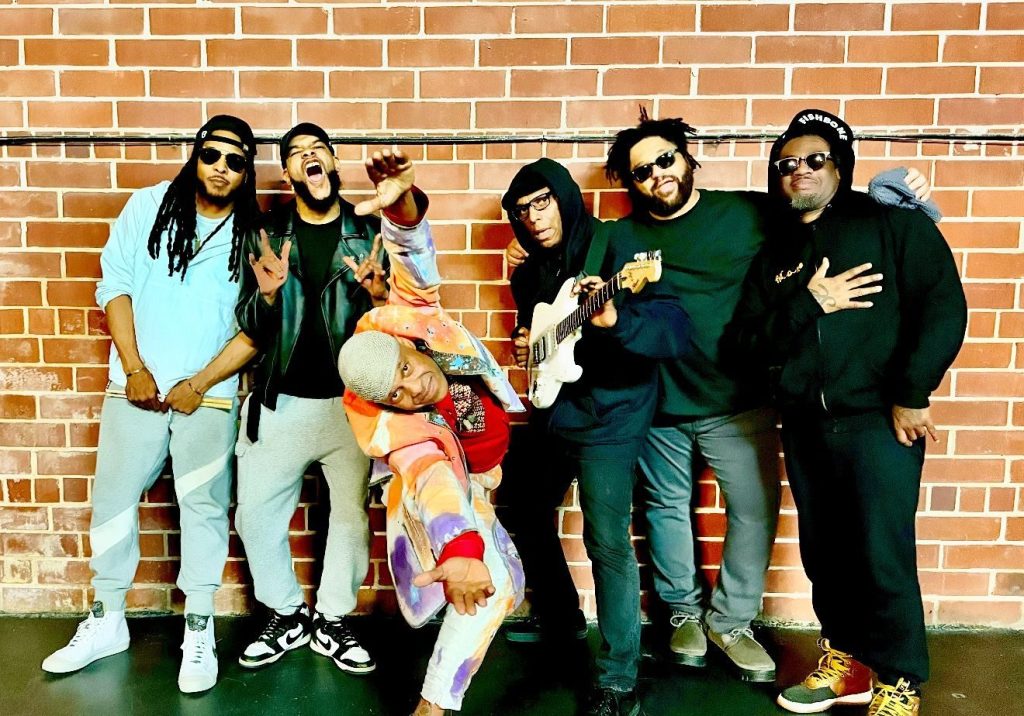
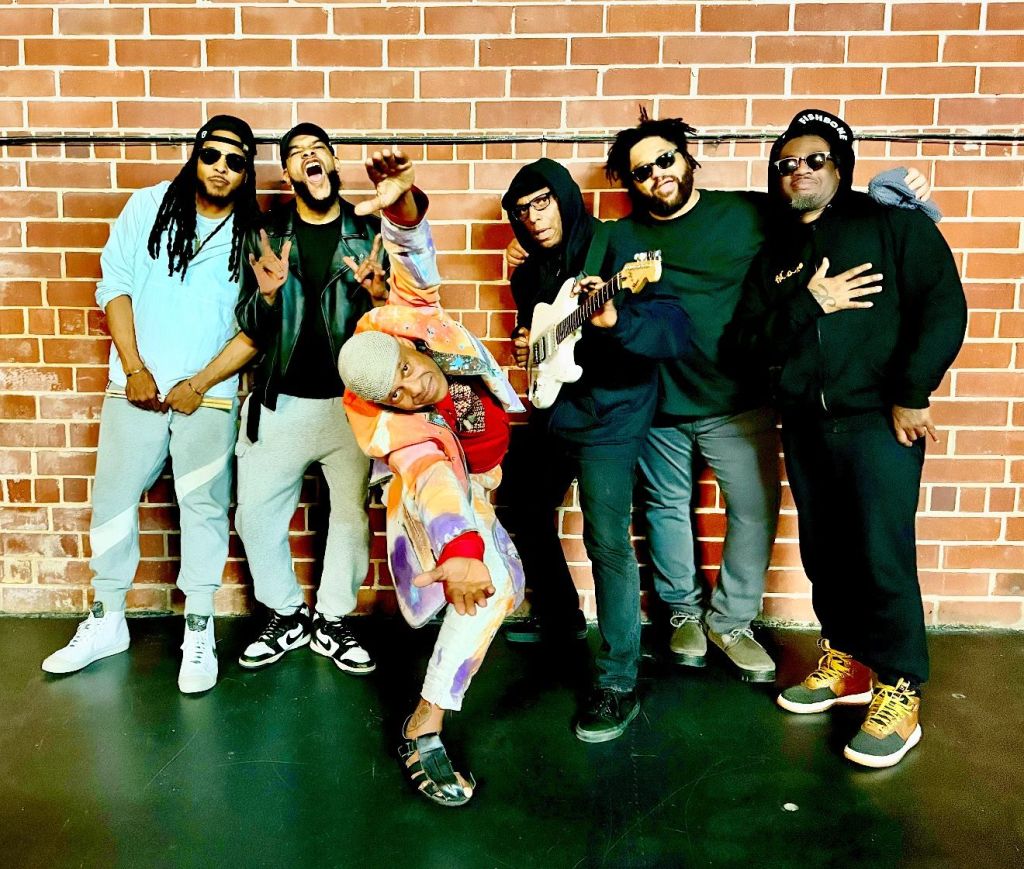
I had the pleasure of speaking with Chris Dowd – keyboardist, trombonist, vocalist, and founding member of the legendary band Fishbone. With a genre-bending legacy that spans over four decades, Fishbone has consistently defied labels, fusing ska, punk, funk, soul, and metal into a energetic, fresh, unique sound.
In our conversation, we dove deep into one of the band’s latest singles, “Last Call In America,” and the creative fire behind their long-awaited upcoming full-length album, Stockholm Syndrome. Chris offered a candid look into Fishbone’s songwriting and composing process, the themes and inspirations driving their new material, and how the band continues to evolve while staying true to the spirit that first shook the music world in the ’80s.
We also reflected on Fishbone’s storied legacy, their enduring impact on generations of musicians, and what keeps them pushing forward with the same passion that put them on the map. Enjoy!
Hi! Thank you for taking the time to answer these questions. How have you been?
Chris: Man… we have been real good. Considering how the year has started for the whole world, we are doing our part to try and bring awareness and positivity to a shitty status of confusion and disappointment. We have done some shows and just finished a sold out tour in France, Belgium, Switzerland and the UK and we’re getting ready for this run all summer on the Less Than Jake Summer Circus with Less Than Jake, Suicide Machines a, Bite Me Bambi and Catbite… and Warped Tour dates in DC and Long Beach, so lots to look forward to.
“Last Call in America” is a charged and provocative title. In crafting this song, were you responding to a specific moment—or was it more a culmination of recurring national fractures?
Chris: You know, we have been a band for 40+ years and have been writing about so many things, with one being the political climate specifically for Black Americans and other minorities, from women to the trans community. We have had songs like Subliminal Fascism, One Day, Slow Bus Movin’ and Ghetto Soundwave to name a few. So, Last Call in America being written 40 years since those songs came out and still being on topic and relevant is a sad display of same shit, new year… Even in the video we put together, the news clips are from the civil rights movement to the current state of Black Lives Matter and the injustice towards people of color that should have moved forward, but has remained on this hamster wheel moving, but staying in place.
The collaboration with George Clinton carries historical and symbolic weight. What conversations or creative exchanges shaped his role on the track, and what did he bring to its message?
Chris: Dr Funkenstien has been a huge supporter and influence on Fishbone for decades. There could never be bands like Fishbone without the Mothership Connection. George is and will forever be a door smasher and a force to look up to. He has taken Fishbone on tour several times and that’s how we met JS. He was playing horns for Parliament Funkadelic and also was part of Blu Eye Extinction that also toured with us on one of those Clinton tours (as well as our new bass player, James Jones)…So when we were recording this song, we knew we needed an icon to add a vocal, so JS called George and he cut the verse and chorus that same day and sent it over. Just hearing George sing “$5 Dollars for Gasoline, this drinking water is killing me” is an honor.
Fishbone’s music has always occupied the intersection of genre fusion and social critique. How do you see this song extending or subverting that tradition?
Chris: Our goal was always to take a musical journey, play what just feels right. From ska to funk to reggae to rock… the goal was always to be Fishbone and when you hear any style we come with, the audience will always say it’s a Fishbone song. We had the honor of doing a couple songs for the Alice in Chains tribute for MoPop Museum when they received the Founders Award. We performed “Them Bones”, we kept it real and like Alice in Chains wrote it, but when you see it or hear it, you know its Fishbone. Being pigeonholed and playing one genre only would never have been Fishbone. We need to try new things, take us to where the song and performance takes us to be Fishbone. We have a song on this new album called Living on the Upside Down, which takes us to another place of influence. David Bowie. But guess what, it’s still Fishbone.
The accompanying music video layers archival imagery with performance. In this age of overstimulation and media saturation, how do you craft visual art that compels reflection rather than passive viewing?
Chris: When we put something together for Racist Piece of Shit, we knew the lyrics were the thing that mattered. So, a lyric video just made the most sense. Having the words go across actual headlines that related to the elections and the person on the ballot that is an actual racist piece of shit made it clear that was the way to go.
With Last Call in America, again, another lyrical heavy song that speaks about real issues that are prevalent in our daily lives, using news footage from the past and present, just seemed to be something that people could relate to. With that video, we also wanted to showcase the energy the band has been bringing on stage every night. The inspiration for the editing of that video was from one of my favorite videos by The Clash for the song “This is Radio Clash” … topical news reporting and footage intertwined with live performance to give a true Fishbone experience from live to lyrics.
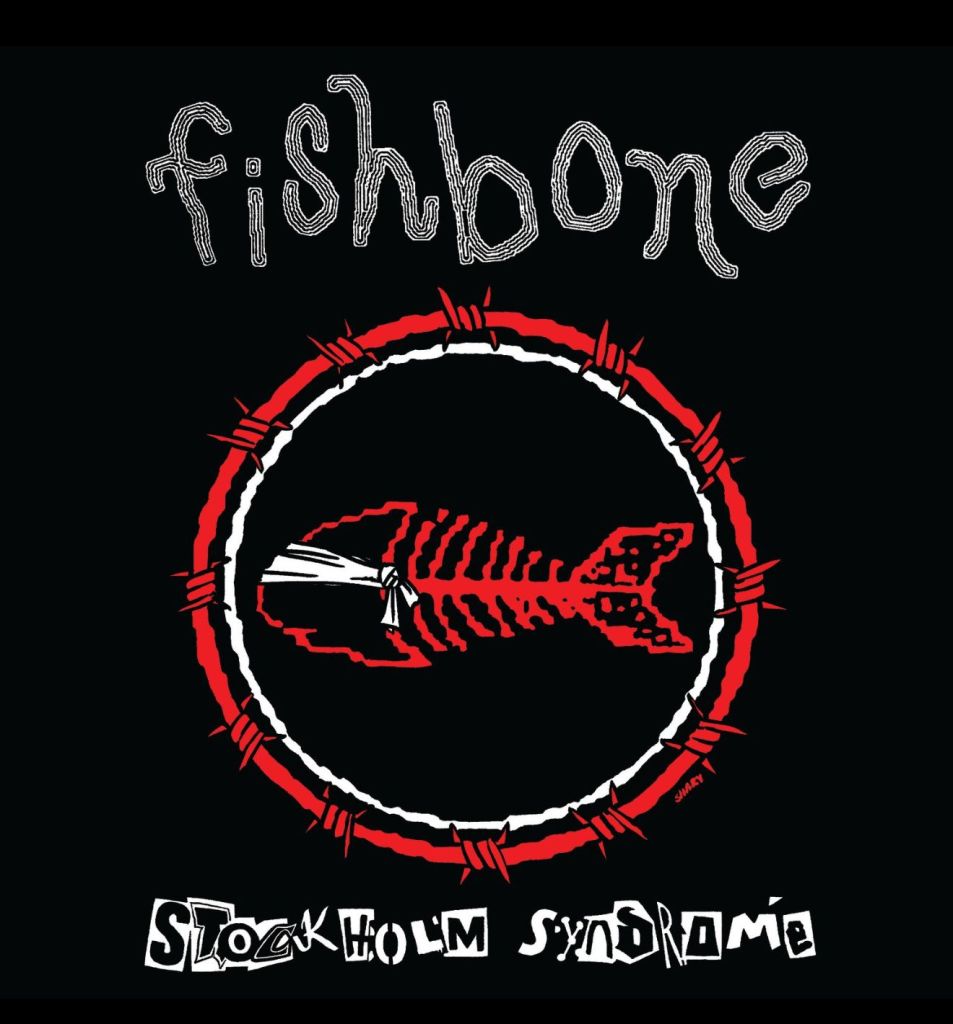
Your forthcoming album Stockholm Syndrome evokes a psychological metaphor, one that suggests complicity, captivity, and confusion. Why that title, and why now?
Chris: Stockholm Syndrome is a place people who are under severe duress go and accept where they are and become complacent after being abused unknowingly. This can apply to how we accept life as it is because we give up. In our case, Fishbone became victims of Stockholm Syndrome, not from abuse, but from settling. We hadn’t recorded a full-length album in 20 years, we were playing the same shows, with the same bands and rather than moving forward, once again, it felt more like a hamster wheel for survival. It was in financial necessity, but in the end, our survival damaged our legacy. From a revolving door of amazing musicians and players, we weren’t moving forward at all, and the Stockholm Syndrome was this acceptance. Looking around at others, they kept advancing and the only ones to blame was ourselves and this Stockholm Syndrome mentality of acceptance. So, we sadly had to reflect, look at where we were and where we wanted to be. Where we wanted to take our legacy and how we wanted to be remembered. We had to address all this to move forward and here we are. Breaking out of this psychological phenomenon both personally, professionally, and in our musical and lyrical output.
Was there a central question or emotional throughline that guided the album’s creation, or did it unfold more instinctively across sessions?
Chris: It was a process. We had song ideas for years that were never explored or worked on because it wasn’t the plan. It was the hamster wheel of non-productivity. We were a band that played for months out of the year when we started, it was us against the world and our mission was to take it all by any means necessary… to not being able to get times together to play together and work on new stuff. So, when we got together to do this record, it was a process, but we did it. We worked together and the energy and positiveness for the new players brought so much desire to win. Some of these songs were written a while ago. Last Callin America and Why Do We Keep on Dying were co-written by Dirty Walt before he chose to not continue… so they were in the works over the last few years…it just took this new line up to finish it and bring that energy to it.
With original members like you and Trace “Spacey T” Singleton back in the fold, did the chemistry shift in the writing room or studio? What changed and what never left?
Chris: A lot of these songs, like I mentioned, we already in the works, so with Spacey T coming in, he just added what we heard in our heads. Mark Phillips played guitar on the song “Living on the Upside Down” and he killed. We also had Kendall Jones (founding member, guitar player and hit song writer) present during the recording that just leveled up our process. But you hear the excitement and urgency with the crew on these recordings.
How do you navigate the creative tension between musical experimentation and thematic clarity, especially on an album steeped in social commentary?
Chris: That’s a great question… like I said. Whatever we do, we want it to be a Fishbone song. That over the years has become our own formula from our DNA… From Party at Ground Zero, that was written by Kendall, a song about nuclear war, but a song you can dance to. What’s better than a song about something that you can dance to. The Message by Grandmaster Flash and the Furious Five was about growing up in the Ghetto in the Bronx, but it was blasting out of every car the summer it came out. With a song like Last Call in America, we are talking real talk, but you best be shaking that ass to that Hassan Hurd (our drummer) beat.
“Last Call in America” tackles inflation, systemic dysfunction, and economic disparity. How do you maintain the infectious energy Fishbone is known for while delivering such weighty content?
Chris: Again, that’s the formula. We have had some people (mostly bots) pop up on our social media pages and say “I liked you before you got political” …well, those are people that listened to the music and never the words. We try to incorporate the message while having a good time. You can’t come out and hit someone over the head with depressing facts or you lose them. Marvin Gaye had “what’s going on” and that might as well have been a love song the way he sang it and how it made you want to just slow dance with your partner, but he was telling you about the planet and the way pollution and man-made problems are ruining it.
Fishbone is here to speak the truth, but we are also here to make you have fun. Life is hard enough, so why ruin your night? We aren’t ignoring it, but we are also helping you escape for an hour and a half. Sweat, dance, and have a good time.
From the punk clubs of the ’80s to international festival stages in 2025, how has your relationship with your audience evolved, and what remains constant?
Chris: We call our fans Fishbone Soldiers. We have the Fishbone Familyhood. This is a real thing. We got no fans, we got no fanatics, we just got family. We had the Fishbone Oath of Honor we used to have the fans say and join the familyhood at our shows. That was a real thing.
Let me tell you, if it wasn’t for these fans, we wouldn’t be here. We lost a lot over the years. Could have been the changes in line ups, the music itself, the over saturation, who knows… but we lost a lot of y’all. To the point when we started to work with social media to rebuild and regain our lost fans and new fans, where the reactions would be “Fishbone is still a band?” or “I used to love them” … so our whole goal has been to gain their love and bring them back. Reinstate them to retired soldiers while recruiting new ones. This Fishbone Army is regaining strength because we have a lot to do, and the mission has just been elevated.
Touring remains a cornerstone of your ethos. With a European run and summer dates with Less Than Jake ahead, what role does live performance play in keeping your message, and your spirit, alive?
Chris: First of all, without a live performance, what’s the point? We aren’t slowing down. When people come to a Fishbone show, we want you to leave saying that’s the best show you have ever been to. We have been doing it for 40+ years, and you get 1000% when you come see us.
You’ve witnessed multiple generations of musical activism. In your view, how has the role of the politically engaged artist changed in the digital era?
Chris: You know, there are a lot more Monday morning quarterbacks and keyboard activists, and there is nothing wrong with that, but there was so much more gravitas when people were out on the streets and living for the cause. When the activism moved to the computer, it just became a place for negative back and forth. People go hit the streets for a protest that is a selfie opportunity, but once that’s over, they go back home, get online, post pictures and write comments. It doesn’t feel as genuine.
We have been writing, singing, performing, and carrying the Fuck Racism flag for decades. We never stopped speaking our truth. Getting in trouble for it but also being non apologetic. We’ve seen so many people go on an apology tour after saying something they believed, but because of social media, they get cancelled. Man, if you believe it, back it!
I felt bad for The Roots when they played Lyin Ass Bitch when Michelle Bauchman was on the Tonight Show and then when it was exposed what song they had her walk out to, they had to do a whole mea culpa. Fuck that!
Fishbone’s legacy is one of defiance, but also of reinvention. As you approach the release of Stockholm Syndrome, what still drives you to make music after all these years?
Chris: We have a lot to say… we have a lot of shows to perform. Some artists are like sharks; they stop swimming they die… Fishbone is a shark.
Looking forward, what conversations do you hope this album sparks and where does Fishbone go after this latest chapter?
Chris: The legacy remains intact—we only get better with age. We’re still here, writing great music, playing at our best, and embracing change as we move forward. Every decision allows us to continue evolving, releasing new music, and touring. We cherish what we do and will keep going until we can’t anymore.
“That’s it. Thank you for your time. Is there anything you would like to say to our readers and fans at the end of this interview?
Chris: If you were a fan… we want you to come back. If you’ve heard of Fishbone but never dove in…come on…the water is great. If you have never seen us live, you won’t be disappointed. We are more than likely your favorite bands, favorite band… we still have a lot to say, a lot to prove and a lot more dancing to do.
 Thoughts Words Action