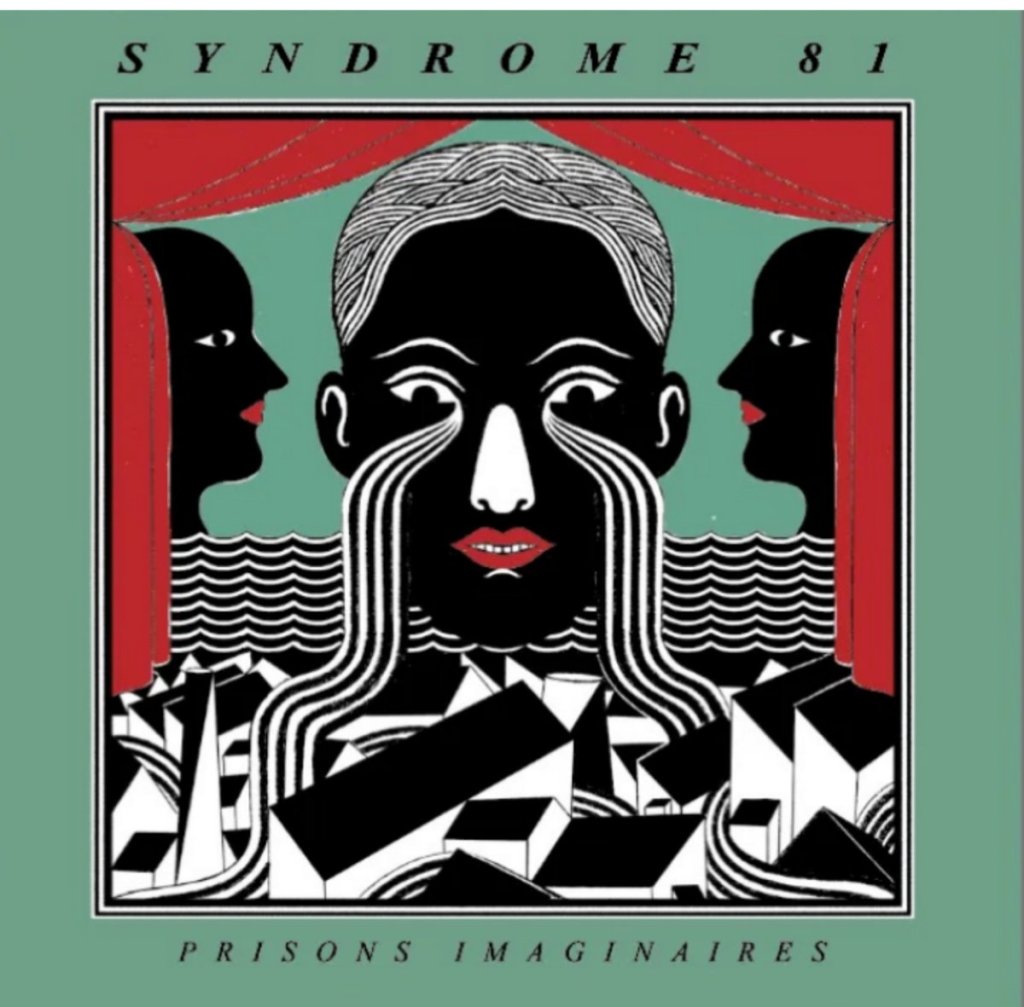
Syndrome 81’s “Prisons Imaginaires” is an album that embodies the essence of modern French punk rock while staying deeply rooted in the traditions of Oi! and post-punk. Based in Brest, France, the band brings a raw, melancholic, and emotionally charged energy that has been a decade in the making. This record not only builds on their previous work but also refines and sharpens their sound, offering something that feels timeless yet contemporary. The influence of eighties punk is unmistakable throughout “Prisons Imaginaires,” but Syndrome 81 manages to breathe new life into this longevous genre, creating a modern punk rock album that feels relevant and vital. The band’s music captures the cold, industrial atmosphere of their hometown Brest, a port city with a rich working-class history, where the sense of isolation and monotony seeps into every corner of life. This bleakness is reflected in both their sound and their lyrics, making for an emotionally charged and reflective listening experience.
Opening with brooding, minimalistic post-punk melodies, “Vivre et mourir” sets the tone for the rest of the album. The guitar work is icy, angular, and filled with tension that slowly builds throughout the song. The drums are sharp and precise, driving the track forward without overpowering it. The vocals, delivered in a mix of detached coolness and emotional rawness, echo the discontent and isolation felt by many in France’s overlooked, economically stagnant regions. One of the standout aspects of the album is their ability to blend various subgenres together with such precission and finesse. Tracks like “Dans les rues de Brest” and “Avenir” are perfect examples of how the band fuses the aggressive edge of Oi! with the more melodic tendencies of punk rock and post-punk. The former features blistering guitar riffs and fast-paced drumming, while the latter slows things down slightly, bringing in moody basslines and introspective vocals that explore themes of alienation and longing. These contrasting elements are what make the album so dynamic, it’s not just a straightforward punk record, but a complex interplay of styles that keeps the listener engaged from start to finish.
The band’s ability to channel the working-class spirit of Oi! music while incorporating the cold, stark tones of post-punk is what sets Prisons Imaginaires apart. Tracks like “Dans les rues de Brest” and “Les derniers jours” are steeped in the gritty, defiant energy that Oi! is known for. These songs feel like anthems for the disillusioned and the downtrodden, with lyrics that express frustration at a system that has left them behind. The chanted vocals and driving rhythms feel like a call to arms, urging the listener to resist, to push back against the confines of their “imaginary prisons.” Yet, there’s a stark contrast in the way Syndrome 81 deals with these themes compared to traditional Oi! bands. Instead of pure aggression or violence, there’s a deep sense of melancholy woven into their music. The band doesn’t just express anger, they explore the emotional toll of living in a society that seems to offer no way out. This emotional depth is one of the defining features of “Prisons Imaginaires,” making it more than just another punk record. It’s an album that grapples with existential themes, framed within the bleak, industrial landscape of Brest. Musically, the production on “Prisons Imaginaires” perfectly complements the lyrical content. The guitars are raw and gritty, but there’s a clarity to the sound that allows every note to hit with precision. The basslines are thick and rumbling, providing a strong foundation for the more intricate guitar work. The drums are tight and forceful, never missing a beat as they propel each track forward. Despite the often dark and heavy atmosphere, the album is surprisingly melodic, with choruses that stick in your head long after the record is over.
One of the album’s greatest strengths is its ability to transport the listener into the world of Brest. Songs like “Des nuits blanches” and “Beton froid” evoke images of crumbling docks, abandoned industrial buildings, and cold, gray skies. The music feels claustrophobic at times, reflecting the sense of entrapment and isolation that pervades the album. And yet, there’s also a strange beauty in the bleakness. Syndrome 81 captures the stark, desolate landscape of their hometown and turns it into something almost poetic. Thematically, “Prisons Imaginaires” is a reflection on the limitations imposed by society, both the literal and metaphorical prisons that people find themselves trapped in. Whether it’s the crushing weight of capitalism, the monotony of everyday life, or the feeling of being trapped in a city that offers no hope for the future, the album explores the various ways in which people are confined and controlled. But rather than offering simple answers or solutions, the band seems more interested in exploring these feelings of disillusionment and alienation, giving voice to the frustrations of those who feel powerless in the face of a larger system. As the album draws to a close with “Lumiere magnetique,” the listener is left with a sense of unresolved tension. The final track is haunting and energetic, with echoing guitars and distant vocals that feel like a lament for a life that could have been. It’s a fitting end to an album that is as much about the things left unsaid as it is about direct action or resistance. There’s a sense of resignation here, but also a quiet defiance, a refusal to give in completely, even in the face of overwhelming odds.
“Prisons Imaginaires” is a powerful statement from Syndrome 81, a band that has quickly established itself as one of the most important voices in the modern French punk scene. With its perfect blend of Oi!, post-punk, and melodic punk rock, the album manages to feel timeless yet contemporary. It’s an exploration of the emotional and psychological toll of living in a society that feels increasingly disconnected and alienating. Head to Sabotage Records for more information about ordering.
 Thoughts Words Action