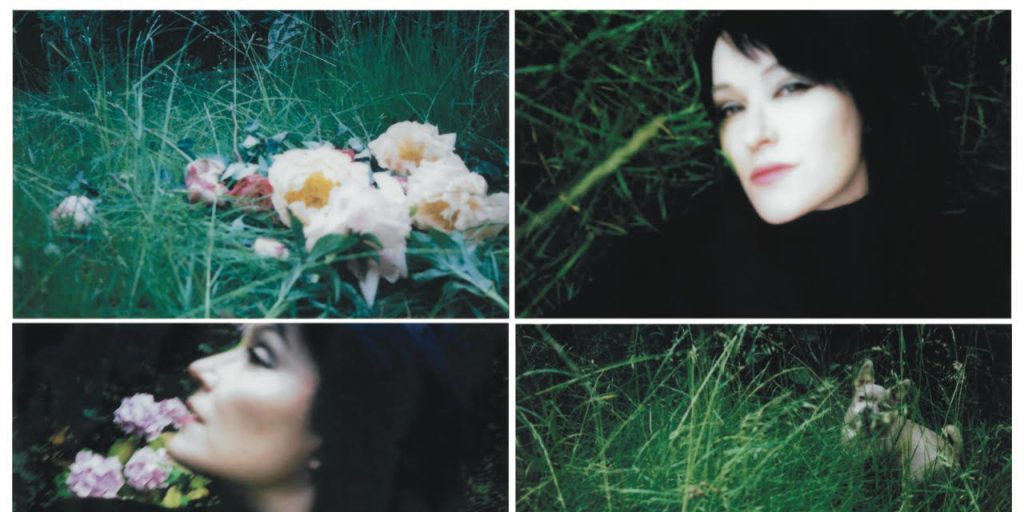

In this exclusive interview, we sit down with the incredibly talented Lucia Cifarelli to discuss her much-anticipated full-length album No God Here. Known for her powerful voice and fearless approach to songwriting, Lucia gives us an inside look at the creative process behind her latest project. We delve into the themes that drive the album, her unique recording approach, and the emotional depth she brings to each track
Pre-order album HERE
Congratulations on “No God Here”! Can you tell us about the inspiration behind the album title and its overall concept?
Lucia: Thank you! When I wrote “No God Here” it didn’t occur to me it would become the album title. However over the course of writing the album the title took on different meanings depending on which song I was working on at the time. The themes of the album cover a broad spectrum of topics, ranging from rejection, trauma, courage, identity, perseverance, restoration. If you concentrate all the themes down to one, it seems to be about having faith in the face of adversity. Regardless of what God we pray to, we’re all reaching through the ethers for guidance and meaning in our lives. The album art was inspired by the Japanese philosophy of Kintsugi – the process of repairing damage with gold. Gold being used here as a metaphor representing the gold / Spirit within each of us, and the wasps represent the fierce, warrior spirit of the smallest among us.
Your vocals on this album are as powerful as ever. How do you approach maintaining such a dynamic range across different styles and genres?
Lucia: Every song tells its own story and requires a unique vocal approach. I’ve never been the kind of singer who opens their mouth and pearls fall out. I have to warm up, practice and rehearse songs over and over again. I do the best I can to interpret what I hear in my head with the instrument I have to work with, which is perfectly imperfect. On tour my voice experiences a lot of wear and tear from singing/screaming night after night, so I need to rest and stay quiet for long periods of time, as well as eating right in order to stay healthy. Getting sick is a fate worse than death for a singer on tour, because it’s usually the first to go.
“No God Here” features a mix of alternative pop/rock with dark electronic undertones. What genres did you explore most deeply on this record, and which do you feel most at home with?
Lucia: My original intention was to make a big rock record, with thundering drums, acoustic and electric guitar, piano, with added programming to build tension and ambience. I didn’t explore genre beyond that, as much as I thought about the artists I tend to revisit time and again who blow me away; Sinead O’Connor, Kate Bush, Bob Dylan, Sisters Of Mercy, Depeche Mode, and Nirvana just to name a few. Its hard to pin down where exactly I feel most at home since I’m comfortable in so many. If alternative is the umbrella genre for anything goes, then that would be it.
Can you walk us through your songwriting process? How do you transform your thoughts and emotions into the music we hear?
Lucia: I find a quiet place away from outside distractions and imagine a door. Then I turn on the music or pick up an instrument, and follow the feeling. Behind the metaphorical door is where the songs live. Images, memories, sensations, colors, letters. Everything and anything the music ignites in me exists beyond the door. Once through the door I latch onto whatever particular feeling is presenting itself while listening, and let the story unfold.
Tracks like “Dark Horse” and “High On You” have an undeniable dancefloor energy. What inspired these more upbeat songs, and how do they fit into the album’s narrative?
Lucia: With Dark Horse I wanted to take the topic of the defeat and rejection I feel in my life and career, and turn it into something inspiring, and playful. Likewise with “High On You”, which is about loving something that’s impossible to have. In this instance an alien who’s in love with a human. The starting point for both those songs suggested dance floor energy, and I did find myself worrying how they would fit on a rock record, but then I let go of my original expectations and that freed both Sascha and I up to let loose and have fun.
The album also contains darker, more atmospheric songs like “Matches & Gasoline” and “No God Here.” How do you balance these different moods while keeping a cohesive sound?
Lucia: The songs are snapshots of my life, and the differing moods reflect that, however having my band mates from KMFDM play on the entire record, instead of utilizing different musicians for each song, gave it consistency.
You’ve collaborated with an impressive array of artists over the years. How did your past collaborations influence the direction of “No God Here”?
Lucia: They didn’t. When I work on a song or record I make a concerted effort not to listen to any outside artists before or during the process. I don’t want other peoples songs in my head.
What are some of your favorite tracks from the album, and why do they hold a special place for you?
Lucia: Favorites change depending on my mood. Right now its “No God Here” & “Matches & Gasoline”. After having my heart ripped out of my chest and fed to me for dinner, something broke inside, and I’m still trying to fix it.
Your lyrics often explore deep and sometimes dark themes. What drives you to write about these topics, and how do you hope listeners will connect with them?
Lucia: As an adult survivor of child abuse exploring the deep comes naturally for me. As an artist I incorporate those experiences along with a host of others, into the palette of colors I work with when writing a song. If I can be a mirror or an echo, to an experience or feeling for someone else, and be a source of comfort or inspiration to them in some way. That’s what I hope for
Female empowerment is a theme you’ve touched on in your music. How do you incorporate your experiences and views on this into your songwriting?
Lucia: On the KMFDM song “Immortally Yours” from the 2022 HYËNA release, I used the parable of The Hand Maids Tale to shed light on the timeless international plight of women. I took an iron fist in a velvet glove approach with the lyric, but it hardly garnered much notice at all. Although I’ve written a lot of songs representing female power, I don’t believe I’ve written “The” song, that definitively stands for female empowerment. But I will!
You’ve been known for your work with KMFDM and other projects. How does working on your solo material differ from being part of a group effort?
Lucia: It’s as different as apples from oranges. With my solo material I’m the driving force behind the songwriting and sound which makes it more personal. With KMFDM I’m working within a collective, where the direction is driven by Sascha, its founding member. Totally different experiences, yet equally satisfying.
What song or style do you find the most comfortable and natural to sing, and why do you think that is?
Lucia: It depends on my mood, however I do love the dramatic, where a song builds up slowly to an explosive crescendo.
Looking ahead, what do you hope to achieve with “No God Here,” and what message do you want your listeners to take away from the album?
Lucia: In a perfect world “No God Here” would open up the possibility for me to tour as a solo artist. I would love the opportunity to do that. As far as what to take away from it? Anything they want!
 Thoughts Words Action