
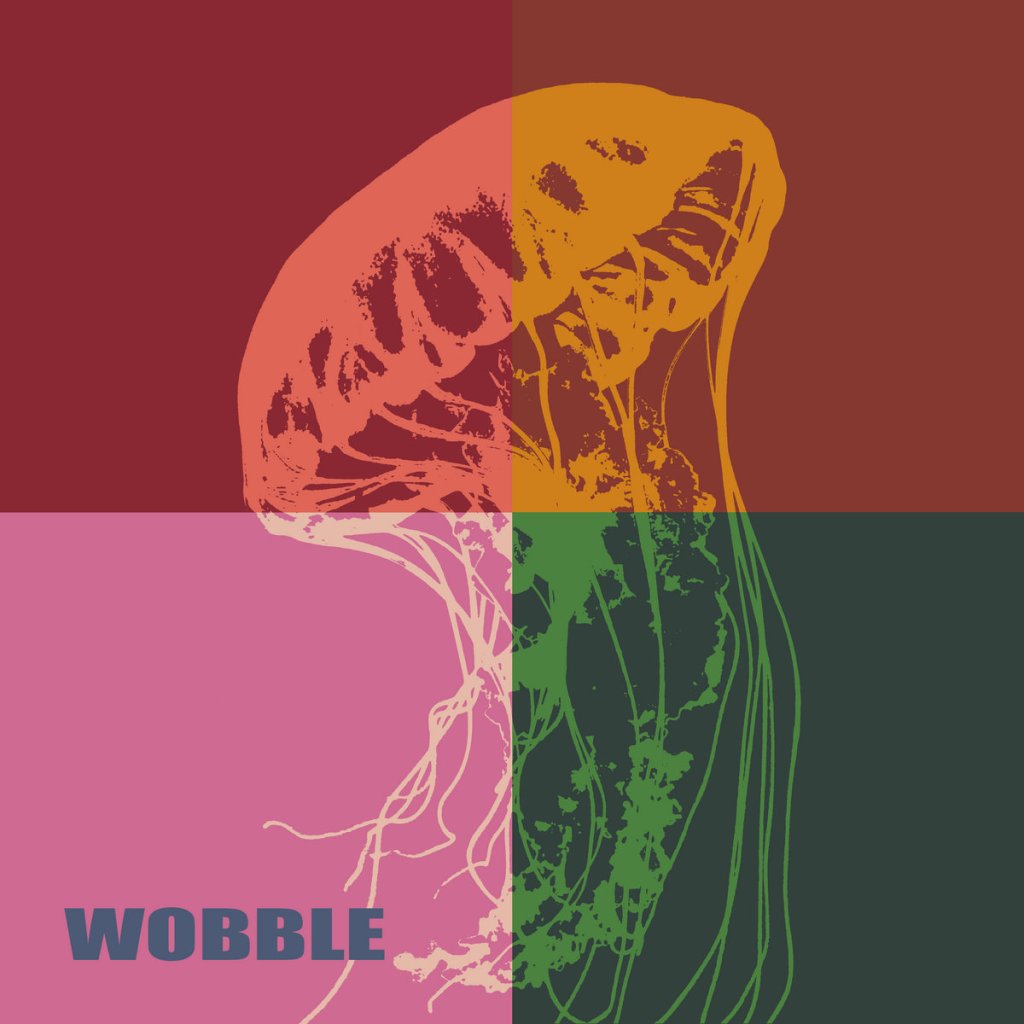
Wobble by Black Market Karma is a kaleidoscope of sound, a hazy trip through layers of lo-fi psychedelia that feels like rummaging through a box of old tapes, half-remembered melodies, and distant echoes of a time and place that never quite existed. It’s a sonic time capsule that somehow feels both timeless and out of time, an album where the familiar becomes strange, and the strange becomes comfortingly familiar. This album, the eleventh by Black Market Karma, led by the endlessly creative Stanley Belton, exemplifies the beauty of imperfection. In fact, it celebrates it. The title, Wobble, refers to the subtle fluctuations in pitch and sound that come with tape recording—the wow and flutter that older generations of musicians once tried to avoid. But here, Belton embraces these imperfections, using them as a tool to create an immersive, nostalgic atmosphere that feels like sinking into a warm, dreamlike haze.
From the very first track, it’s clear that Belton’s approach is one of creative freedom. Each song feels like an experiment in texture and tone, as if the instruments themselves have come to life, worn down by time but still filled with a kind of magic. There’s something wonderfully tactile about the sound of this album—it feels like you can hear the dust on the tapes, the crackle of old vinyl, the hum of an ancient guitar amp. It’s as though the songs were recorded in some forgotten corner of the universe, where the usual rules of time and space don’t apply. The opening track, “Mushy Conscience,” sets the stage for what’s to come with its warped guitars and driving, crunchy beats. The drums are recorded live, but they don’t sound pristine. Instead, they’re run through guitar amps, twisted and bent, until they become something entirely new—both familiar and alien at the same time. The effect is mesmerizing, like watching ripples in a pond that distort and shift with every passing second. The melody floats above this lo-fi foundation, delicate and hazy, like sunlight filtering through the branches of a tree.
Belton’s use of tape degradation and lo-fi techniques isn’t just for the sake of aesthetic. It’s an essential part of the album’s mood. The sound has a certain warmth, a comforting sense of nostalgia that pulls you in and makes you want to stay. It’s like the sonic equivalent of looking through a photo album filled with pictures of places you’ve never been, yet somehow feel deeply connected to. This feeling, which Belton refers to as fernweh—a longing for a place and time you’ve never experienced—runs throughout the album, infusing each track with a sense of wistfulness. On tracks like “Oozer,” there’s a dreamlike quality that evokes the late 60s psych-pop bands, with jangling guitars and lush, swirling melodies that feel like they’re constantly on the verge of dissolving into the ether. The song sways like a slow-motion carousel ride, each note spinning gently into the next, leaving a trail of echoes in its wake. There’s something almost fragile about it, as if the whole thing might just float away if you’re not careful.
And then there’s “Lead Laces,” where Belton’s creative experiments really shine. The lead bass melodies are run through overloaded guitar amps, creating a sound that’s thick and distorted, yet somehow still melodic and inviting. It’s a track that feels like it’s constantly shifting under your feet, the ground never quite solid, the edges always blurred. The bass leads the way here, its deep, rumbling tones like a distant storm rolling across the horizon. One of the standout aspects of Wobble is its eclectic mix of influences. There are clear nods to 60s pop and psychedelia, but there’s also a gritty, almost industrial edge to some of the tracks, with hip-hop-inspired breakbeats and warped electronic textures that feel both modern and timeless. Tracks like “Puddle Eyed Sponger” blend these elements seamlessly, with vintage guitars warped by effects, mono synths that buzz and hum, and heavily saturated vocals that sound like they’re being beamed in from another dimension.
It’s as if the album exists in a space where genres are fluid, where psych-pop can coexist with lo-fi electronica and crunchy hip-hop beats without ever feeling forced or out of place. There’s a certain playfulness to the way Belton combines these elements, a sense that he’s having fun in his Cocoon studio, experimenting with different sounds and textures just to see what happens. It’s this sense of freedom that gives the album its charm, its unpredictability. Yet, for all its sonic experimentation, Wobble never loses its emotional core. Beneath the layers of fuzz and reverb, there’s a deep sense of longing, of trying to capture something that’s just out of reach. The album feels like a meditation on memory, on the way time distorts and reshapes our perceptions, leaving us with only fragments of the past to hold onto. Tracks like “Going On Easy” capture this beautifully, with lyrics that seem to drift in and out of focus, much like the music itself.
As the album draws to a close, you’re left with a feeling of having been on a journey—not just through sound, but through time and space. Wobble is an album that invites you to get lost in its textures, to let the music wash over you like a warm breeze on a summer evening. It’s both a love letter to the past and a forward-looking exploration of what’s possible when you embrace imperfection and let creativity guide the way. Wobble is more than just a collection of songs. It’s a mood, a feeling, a place. It’s that fleeting sense of nostalgia for something you’ve never known, the warmth of old tapes, the hum of a guitar amp, the echo of a voice singing from another time. And as the final notes fade away, you’re left with the distinct impression that you’ve experienced something special, something that will linger in the back of your mind long after the music stops. Head to Fuzz Club for more information about ordering Wobble on vinyl.
 Thoughts Words Action