
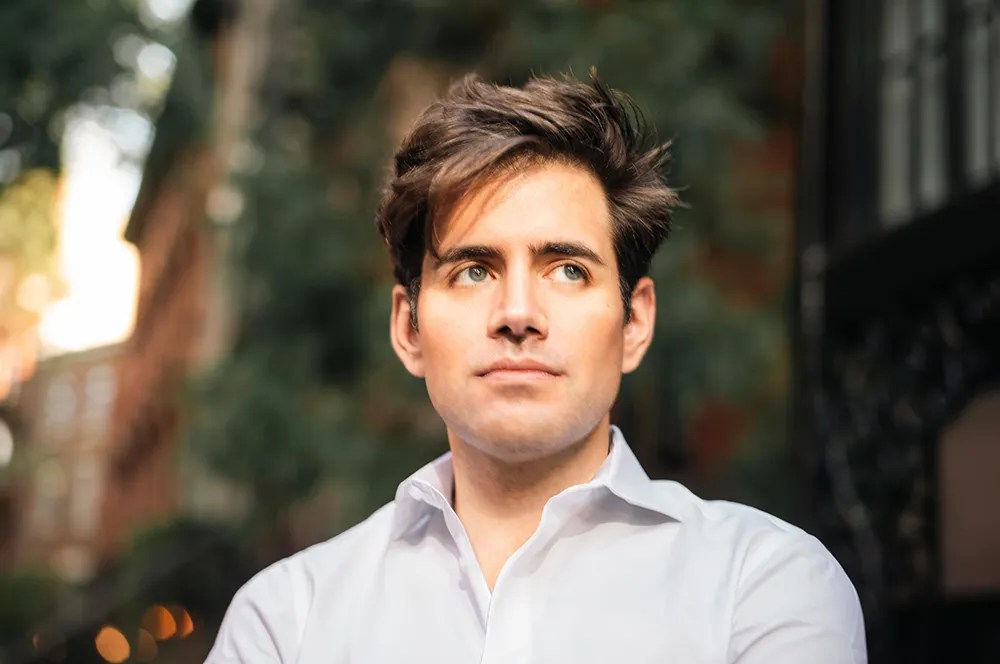
We had the pleasure of sitting down with Alwyn Morrison, a rising talent making waves with his debut single, “The City.” Alwyn’s unique sound and heartfelt lyrics have already garnered attention, and we couldn’t wait to dive deeper into his creative world. During our conversation, we explored his songwriting and composing process, the inspirations behind his music, and what it means to him to share his art with the world. Enjoy!
Listen / stream “The City” HERE
Your debut single “The City” explores themes of belonging and displacement in urban life. What inspired you to delve into these complex emotions, and how has living in New York shaped your perspective?
The inspiration behind “The City” comes from my experience living in New York, but I think it speaks to anyone who’s ever felt both connected to and displaced by the place they live. New York is unique in the way it draws people in. There’s this magnetic pull to stay, despite the chaos and challenges. Everyone here is navigating their own struggles, whether it’s chasing a dream job, trying to make ends meet, healing from heartbreak, or simply seeking a sense of community. There’s this paradox: a feeling of belonging that coexists with a sense of alienation. It’s like the city will break you down, but at the same time, it has this incredible way of building you back up, stronger than before. That push-and-pull is something that defines New York for many people, and it’s a theme that, I hope, resonates in my song.
The song captures the duality of city life — its challenges and its magnetic allure. What personal experiences influenced the lyrics and tone of the track?
It’s been the personal challenges I’ve faced in the last few years that really started pouring into my songwriting. I noticed that I was writing more songs during these past few years. I sat down to write “The City”, I wanted to create something bigger than just my own story. I wanted to write lyrics that anyone who’s ever felt lost, lonely, or disconnected could relate to. I became curious about what others were feeling in the city, so I started asking my family members, friends and even strangers how they’d describe New York or what kept them here. The answers were never the same, and yet, everyone felt this strong pull to stay. That complexity, the mix of struggle, perseverance, and a deep attachment to the city, was something I couldn’t ignore. It’s a feeling that really shaped the tone of the song, capturing that push-pull between the challenges and the magnetic allure that makes New York, and similar cities, so uniquely powerful.
Can you walk us through your songwriting process for “The City”? How did the initial idea evolve into the final version?
I kept coming back to this line, “The city that will break your heart.” I’d find myself singing it over and over, and it just stuck with me. There was something about it that felt both so unique, like it captured New York City’s true identity. But really, it could be any big city. Some places just have an inexplicable energy that draws people in, even when they know they might get hurt. Once that line clicked, I built the rest of the song around it. I wrote most of the lyrics on my own, but it was my good friend and co-writer, Michel Ales, who helped bring the music to life, adding a layer of depth to the melody that complemented the feeling I wanted to convey. After that, I went to Los Angeles to record the track with my producer, Michael Carey. Michael really helped shape the sound, and he played this iconic guitar solo that, honestly, is my favorite part of the song. It just ties everything together perfectly, giving it that extra emotional punch.
Collaboration plays a big role in your music. What was it like working with Michael Carey and Michael Kooman on this project?
Collaboration has really become one of the most rewarding parts of my music journey in the last couple of years. I love sharing a song with another musician and seeing how they bring their own energy and creativity into it. Whether it’s tweaking a line in the lyrics, adding a pre-chorus, or coming up with a new guitar riff, it’s always exciting to see how the song evolves. Music is such a collaborative art form. Working with Michael Carey and Michael Kooman is no exception. Michael Carey, my producer, was instrumental in shaping the sound of the track. His creativity and vision helped bring the song to life in ways I couldn’t have imagined on my own. Michael Kooman, who composed my upcoming single Lenox Hill, is another close friend and an incredibly talented composer. I’m so grateful to be surrounded by such talented people who are also good friends. People like Michael Carey, Michael Ales and Michael Kooman, who not only elevate my music but also make the process so enjoyable. The collaboration between us felt effortless, and it brought out something in the song that I couldn’t have achieved on my own.
Did you face any challenges while writing or arranging “The City”? How did you overcome them?
My co-writer, Michael Ales, composed the music to the verses, and he introduced an instrumental section after the second chorus that I instantly fell in love with. It ended up being an electric guitar solo, which I think is a pretty cool element for a pop song. It really adds to the raw energy of the track. A challenge I faced was with the lyrics… Well, originally, there was a third verse that was way more specific to the personal experience of living in New York. But as I listened to the song, I realized it started to narrow the message too much. The first two verses were much more universal, about the feeling of displacement and longing that anyone who’s moved to a new city or a new place can relate to. I decided to cut the third verse to keep that broader emotional resonance intact, allowing the song to feel more inclusive and connect with a wider range of listeners.
Your music blends rock’s raw energy with pop’s appeal. How did you decide on the sound and arrangement for “The City”? Were there any specific artists or songs that inspired this track?
It’s hard for me to pinpoint exactly what influences my sound because I’m passionate about so many different genres and artists. I listen to everything from rock to pop to country, and I think all of it somehow seeps into my music. As much as I try to separate my influences as an artist from my personal tastes as a fan, it’s hard to draw a line. I’ve always loved artists like P!nk, Robbie Williams, Maroon 5, Sia. They’ve been some of my biggest inspirations from the start, and their songs are among my all-time favorites. I also love rock music, so bands like Oasis, Bon Jovi, Bryan Adams, and The All-American Rejects come to mind. But I also have a deep appreciation for country music, with artists like Kenny Chesney, John Denver, Kelsea Ballerini, and Lainey Wilson influencing me in their own way. When it came to “The City,” I wanted to blend that raw energy of rock with the accessibility and catchy appeal of pop. I think the combination of those two elements really reflects the duality of the song’s themes: how a city can be both challenging and magnetic.
You’ve mentioned influences like The Cars, The Cranberries, P!nk, and Sia. How do these artists’ styles resonate in your work?
From The Cars, The Cure, The Cranberries, I’ve drawn inspiration from their ability to blend powerful, emotive melodies with rock-driven energy. I love how they balance raw emotion with accessible, catchy hooks. P!nk, Robbie Williams and Sia have influenced me with their bold, unapologetic style and their ability to express vulnerability in such a powerful way. Their songs feel both personal and anthemic, and I’ve always admired that balance of intimacy and strength. When it came to “The City,” I wanted to blend that raw energy of rock with the catchy, emotional appeal of pop. The guitar-driven energy in the track carries that rock influence, while the overall melody and structure lean more into a pop format. For me, it’s about creating a sound that feels both powerful and relatable, capturing the emotional depth of the song while maintaining that accessibility and catchy appeal.

Can you share some insights into the creative process behind the music video for “The City”? What story or emotions were you trying to convey visually?
The creative process behind the music video for “The City” started with a very vivid idea I had one morning. The concept was simple: real people holding up messages on something like cardboard, no flashy sets or big production; just raw, authentic moments. I immediately called my friend Denice Flores, who’s an incredible photographer and videographer, and said, “Let’s go out and film this.” I’m pretty spontaneous when inspiration strikes, and if something feels right, I just dive in. At first, I was a bit hesitant because I wasn’t sure if people would be open to participating, but Denice, who has photographed so many people on the streets of New York, looked at me and said, “Don’t worry. New Yorkers will do it.” And she was absolutely right. New Yorkers are always open to sharing a piece of themselves, especially when it feels authentic and meaningful.
Did New York City itself play a role in the music video? How did you capture its essence on screen?
The visuals we captured really helped amplify the message of the song, which isn’t about romantic heartbreak, but about all kinds of struggle: emotional, personal, social. It’s about the universal pain we all carry, no matter our age, background, or social status. The people we filmed were not just a representation of New York’s diversity, but a reminder that everyone has their own battles. In a city like New York, no matter how tough life gets, there’s something almost divine about the pull to stay. That resilience, that drive to keep going even when you’re broken, is what I wanted to capture. The video’s raw simplicity, with people holding up their messages, helps convey that shared experience of struggle and perseverance. It’s about the collective feeling that, even in the hardest times, there’s something in the city that makes you want to keep fighting.
“The City” reflects on universal struggles — from chasing dreams to overcoming heartbreak. How do you hope listeners will connect with the song on a personal level?
I knew I wanted to create something that wasn’t just about my personal experiences but something that anyone who’s struggled, felt lost, or dealt with heartbreak could connect to. The themes of the song are universal… Chasing dreams, overcoming obstacles, and navigating the complexities of city life. I think we’ve all been in a place where we’ve had to push through tough times, whether it’s pursuing a dream or dealing with a personal loss. The beauty of music is that it allows for personal interpretation, so even though “The City” is inspired by my experience living in New York, I want it to speak to anyone who’s ever felt that tension between belonging and displacement, or the push-pull between wanting to stay in a place that’s both challenging and magnetic. Whether it’s finding the strength to keep going or reflecting on the moments that make you feel connected to something bigger than yourself, I hope people will feel like this song is a reflection of their own journey.
As a debut single, “The City” introduces you as an artist. What do you think it says about you and the kind of music you want to make?
As my debut single, “The City” really sets the tone for who I am as an artist and the kind of music I want to make. I spent most of last year in the studio creating new music, and I see this song as the first chapter of my journey. It’s deeply tied to New York City, and the themes of belonging and displacement show up in several of my other tracks too. My second single, for example, dives more into my personal love and heartbreak story with New York. It’s actually a love song coming out on Valentine’s Day. In terms of sound, “The City” reflects my love for the raw energy of rock, especially with the electric guitar driving the track. But at my core, I’m a ’90s pop kid, so some of my upcoming music will definitely have a poppier feel.
With “Lenox Hill” following shortly after, how does it build on the themes introduced in “The City”? What can listeners expect from this next release?
“Lenox Hill” builds on the themes introduced in “The City” by diving deeper into the emotional complexity of love and heartbreak, but this time through a more personal lens. While “The City” is about the broader feeling of belonging and displacement in New York, Lenox Hill is more intimate. It’s a reflection on the vulnerability and beauty of love, set against the backdrop of one of the city’s most romantic neighborhoods. It’s about finding connection, and the pain that often comes with it. The song is a synth-pop power ballad, written by me and my friend Michael Kooman (who’s worked with legends like Audra McDonald), and produced by award-winning producer Michael Carey (known for his work with Gwen Stefani and Pablo Alborán). We recorded all the instruments live in LA, with Harlan Hodges playing piano. The sound is lush and emotionally charged, and I hope it resonates deeply with listeners. “Lenox Hill” explores love in a way that feels both raw and cinematic, and it’s a different vibe from “The City,” but still anchored in the emotional core of New York… Its highs, its lows, and everything in between.
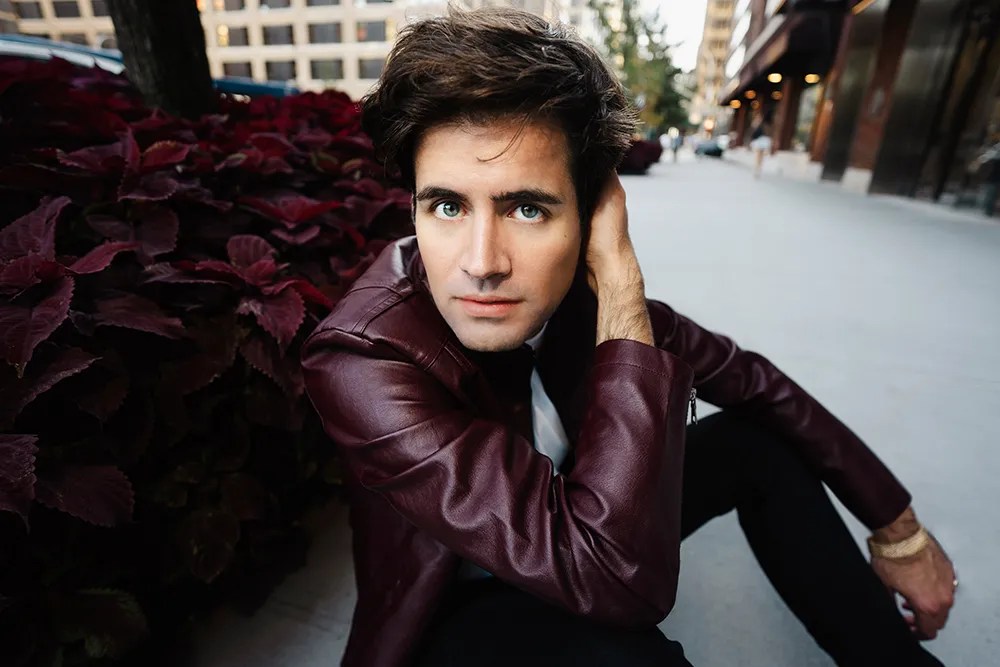
Are there any specific stories or themes you’re eager to explore in future projects?
Yes, I’m definitely eager to explore a variety of stories and themes in my future projects. “The City” introduces a blend of rock and pop elements, and that’s just the beginning. This year, I’m excited to share more sides of my personality and sound through the music I’ll be releasing. I want to take listeners on a journey. I think my music will continue to reflect this mix of emotional depth and raw energy, where I can express different parts of myself, whether it’s the introspective side, the fiery side, or the more uplifting, optimistic side. The beauty of music is that it allows you to explore and connect with people in ways that are both personal and universal. So, as I move forward with my music, I’m excited to show even more of that range and to keep pushing the boundaries of my sound, while always staying true to what feels authentic to me.
As a former music journalist turned musician, how has your experience interviewing artists influenced your own creative process?
As a former music journalist, during my college days, my experience interviewing artists has definitely influenced my own early creative process. I had the incredible opportunity to speak with artists like Esperanza Spalding, Rita Ora, and the Scissor Sisters, and those conversations really taught me to listen beyond the surface-level aspects of a song. I learned that music isn’t just about the catchy hook or commercial success. It’s about the personal stories and the emotions that artists pour into their work. That’s something I’ve carried with me as I’ve transitioned into making music myself. I saw how easy it is for the industry to focus on the commercial side of things, especially for newer artists. There’s often so much attention on streams, ticket sales, and viral moments, which can overshadow the deeper emotional connections music creates. But I also saw how some journalists truly cared about the artistry, the ones who focused on the heart of the music, not just the business. Now, as an artist, I hope my music speaks for itself and that listeners can look past the hype and really connect with the emotions behind the songs. That’s what I try to do with every track I create: make something authentic and meaningful, not just for the numbers but for the heart.
2025 marks the beginning of your career as a recording artist. What does this milestone mean to you, and what are your hopes for the future as a singer-songwriter?
2025 marks the beginning of my career as a recording artist. It feels like the culmination of years of growth, both personally and musically, and I’m incredibly excited to finally be sharing my music with the world. This year is all about introducing my sound and the different sides of my personality through my songs. I’ve spent a lot of time reflecting on what I want my music to say, whether it’s about love, heartbreak, resilience, or self-discovery; and now I have the chance to share those stories in an authentic way. My hope for the future as a singer-songwriter is to keep evolving and connecting with people through my music. I want to create songs that feel real, that resonate with others, and that capture the raw emotions of life. I’m excited to keep exploring new sounds and themes, and to continue building a connection with my listeners. Ultimately, I hope to make music that not only reflects my journey but also speaks to the experiences of others.
 Thoughts Words Action