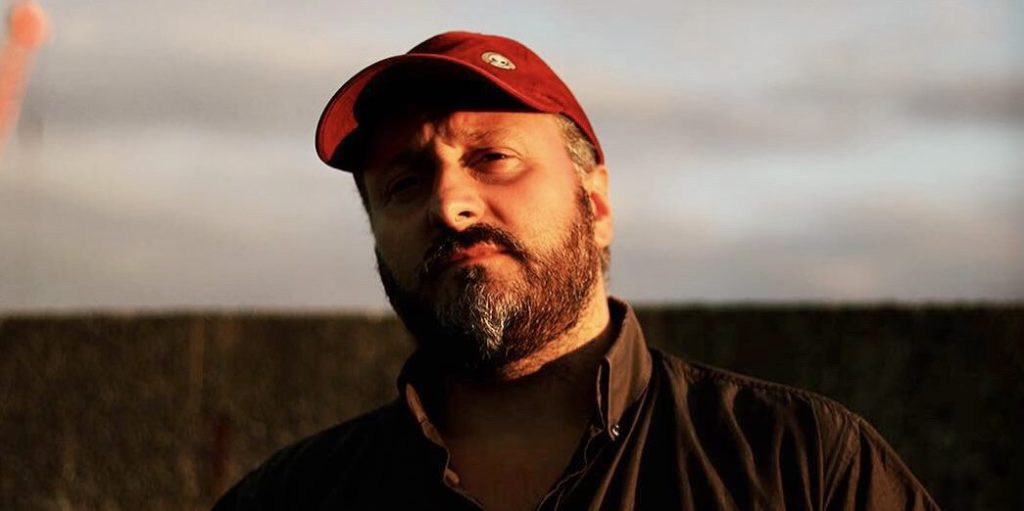
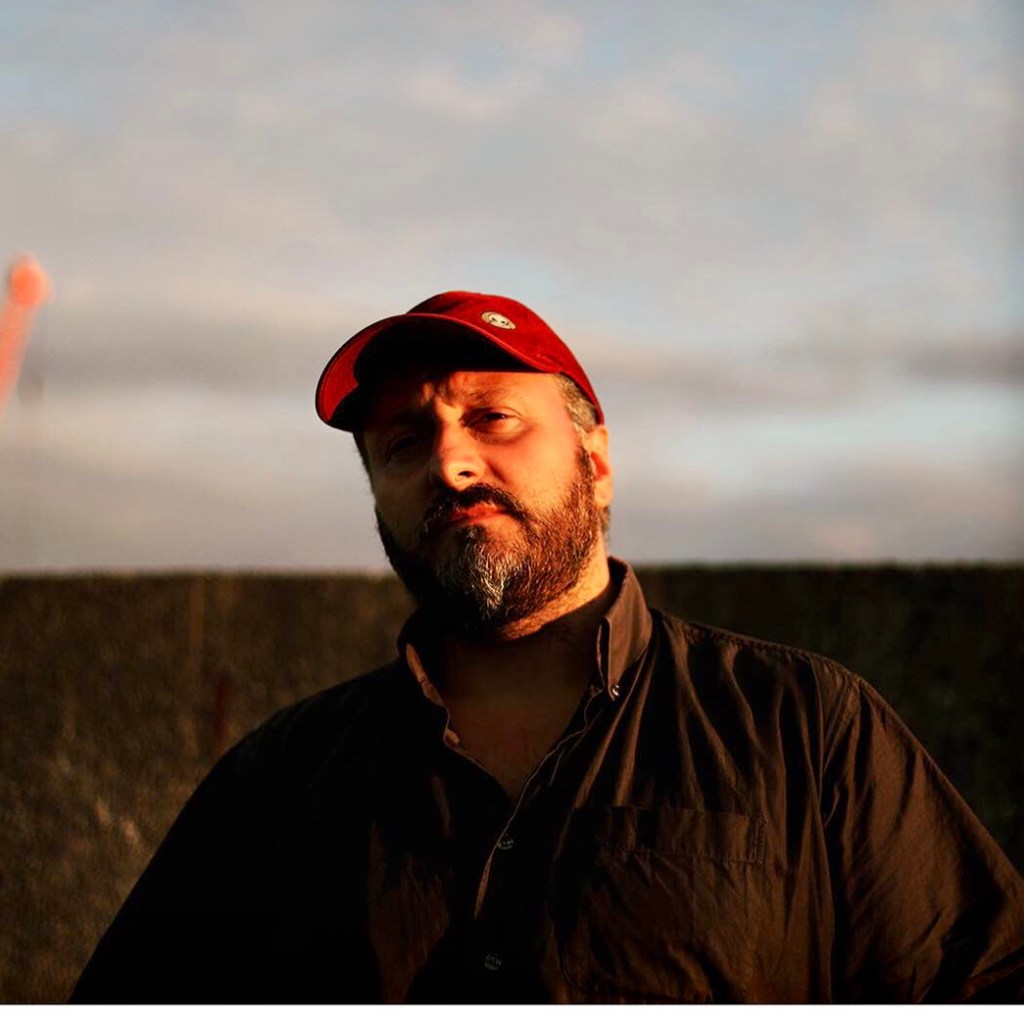
Sometimes, a journey through music and life becomes more than just a personal story. It becomes a reflection of an entire scene, an era, and the spirit that keeps it all alive. David Gamage embodies that spirit. Known for his work in influential bands like Rydell, Couch Potatoes, and Joeyfat, David’s musical journey now continues with The Atlantic Union Project, where he brings his heartfelt, melodic guitar work to a new generation of listeners. But his impact doesn’t stop at the stage. As the force behind Engineer Records and Earth Island Books, he’s spent decades amplifying underground voices, ensuring that punk, hardcore, and alternative music remain as vital and raw as ever.
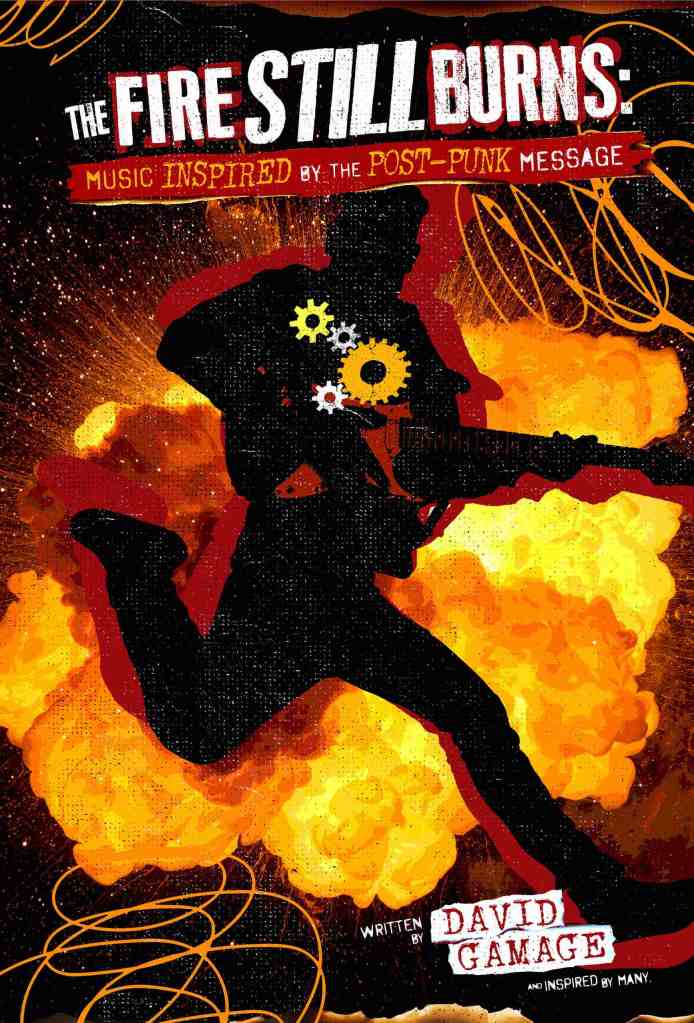
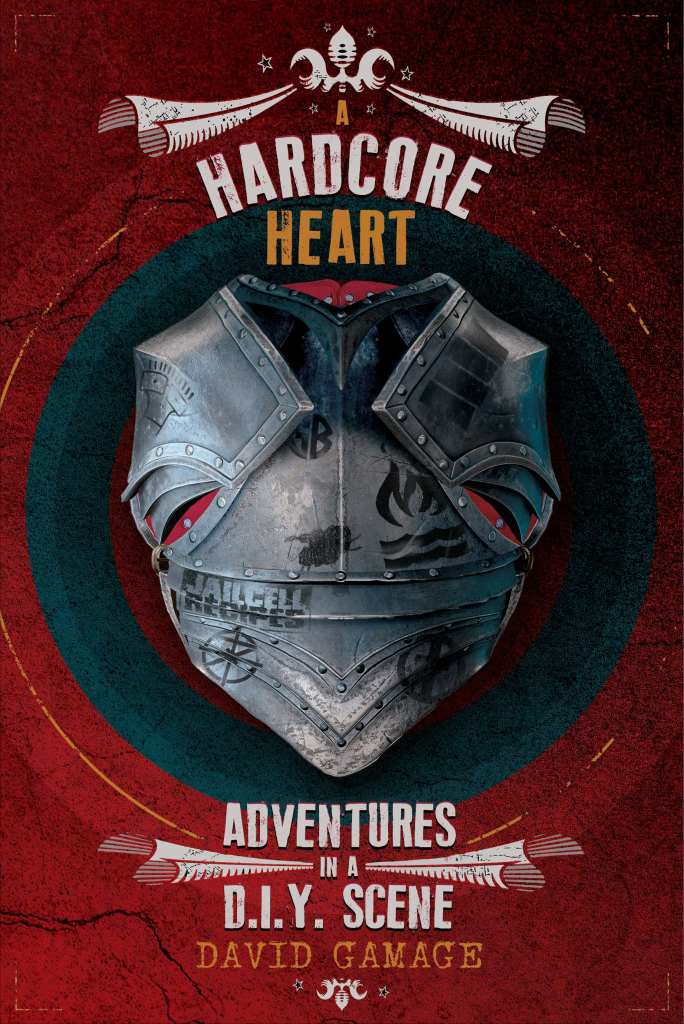
Beyond the riffs and releases, David is also an author with an unmatched passion for documenting the scene he loves. His first book, A Hardcore Heart, gave readers an inside look at the DIY punk world, told from the perspective of someone who lived it. Now, he’s back with The Fire Still Burns — a follow-up that delves even deeper into the music, friendships, and resilience that define punk rock music and lifestyle.
In this interview, we catch up with David to talk about the new book, his ongoing projects, and the fire that still fuels his love for music and community.
Order “The Fire Still Burns” and “A Hardcore Heart” HERE
Can you give us a brief overview of what readers can expect from The Fire Still Burns? How does it differ from your previous book, A Hardcore Heart?
Yes, of course. ‘The Fire Still Burns’ is a story of post-punk adventure, packed full of anecdotes and influences from over eighty bands that are either on my label or good friends of mine. It’s all about what inspires these bands to keep plugging away with such heart in such a rough and ready scene, and its full of their stories from being out on the road as well as in the recording studio. There’s also a brief history of Engineer Records in there, so between those things it’s the ideal follow-up ‘A Hardcore Heart’.
What inspired you to focus on the post-punk and hardcore scenes for this latest book, and why do you think these bands keep going despite the challenges?
I wanted to focus on these post-punk bands I’ve known since the millennium as that is where the scene is now, and they are the bands I know best. All of them have a punk-rock mentality but they all sound different and approach their music, message and touring in different ways. There are similarities that tie them together, and individual stories that tell them apart. That’s what makes it so interesting, I think. All of these bands strive to do more than just create music, although their music is great!
Was writing The Fire Still Burns a more difficult task compared to your other projects, especially with the extensive input from over eighty bands?
Actually, I’d say it was easier. It was a big job, but most of it is from interviews I did with bands I know, and that’s quite fun and fairly easy to write up. It’s a huge book, well over 700 pages, but the 666 pages of Hardcore Heart took me quite a while to dredge from my memory, diaries and older friends. This book was current and therefore the stories were fresher in people’s minds.
How has your approach to writing about music and the punk rock scene evolved compiling your zine collection, Punk Faction?
Ha, I wrote Punk Faction as a naïve teenager really. It was 1990 and that was my HC scene fanzine so just a compilation, a collection of what was already there. It’s still a good book and has some decent articles in it, both from myself and from contributors, but the interviews are a bit weak and it’s not really a proper book in the way these two later ones are. I’d like to think I’m older and wiser now, and that’s reflected in these books. I still have that young energy and enthusiasm; I just temper it with more experience and knowledge.
What do you hope readers, especially new punk rock fans or those forming bands, will take away from The Fire Still Burns?
I hope they will be inspired. I am. Just listening to all the other bands, how they do things, what they get from it, who influences them, what they go through for their art. It is both interesting and amusing. You can look at it on many levels and I think it’s important social history.
In your opinion, what keeps the punk and hardcore scene alive and thriving after all these years?
The common goal and comradeship to strive to be better and create a better community. An alternative community not governed by the usual authority, and not led by whatever trite fad is taking place at the time. Being a good musician is one thing, but having a message beyond that, caring for people, wanting change for the better, these are good goals to strive for.
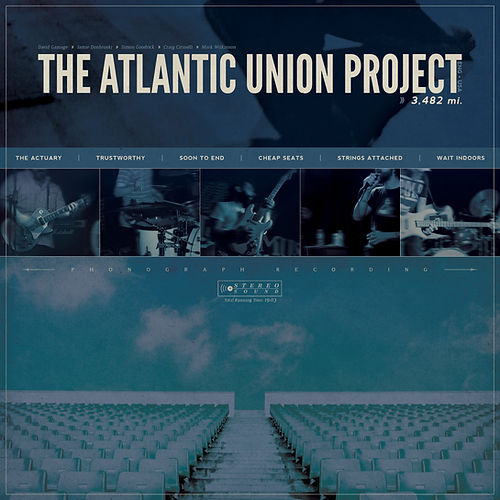
You’ve played in bands like Couch Potatoes, Joeyfat, and The Atlantic Union Project. How much did your personal experience as a musician influence the narrative of The Fire Still Burns?
I have, and my main bands, Rydell and Come The Spring too, and that’s what got my writing ‘A Hardcore Heart’ and ‘The Fire Still Burns’ in the first place. I wanted to share my experiences and influences, hoping it would move others to action. The Fire Still Burns is a natural progression of that as I discuss the same sort of things with eighty more great bands!
What does punk rock mean to you today, and how has your relationship with it changed since you first got involved in the scene?
Punk has always meant equality and community to me. I was too young for the ’77 type punk and got into later, through rock and metal as much as post-punk, when it was hardcore really. I never saw the point of spitting at each other or being a dick, but I did like the whole HC mentality and have carried that with me throughout my adult life.
How has the punk rock scene evolved from the early days when you started out compared to now? Are there any changes you particularly appreciate or miss?
It’s changed a lot and maybe it’s evolved. Gigs seem to be massively more expensive and I still struggle to get my head around that. Bands have costs, of course, but there’s too many middle men and leeches taking a cut. The music has gotten slicker in some cases, and then got stripped back again in others, but the same lyrics and stories get retold over and over. The message is still there. But that’s a worry really as it means we’re not having as much effect as maybe we’d all hope. Just look at the state of the world today. I’d say we’re going backwards fast. Punk is needed now more than ever. On a more positive note, there are still good zines, just some are online as blogs now. Mix tapes and radio became podcasts and streaming. It’s easier to exchange information now, even tell people about gigs and events, but there’s so much going on, people don’t always bother to come out. A like on facebook or post on insta doesn’t equate to a conversation at a gig or buying a bands record. The underground needs to support each other, that’s always been the case. Maybe it’s easier to record music now too, but there are still plenty of good bands, they are just diluted with more and more bad ones. That makes it more fun to find the gems.
Are there any aspects of the current punk rock scene that you wish could be different or improved?
I always prefer gigs at small venues. Intimate, atmosphere, that’s what it’s all about. Many small venues are failing and closing due to lack of support. That is terrible news for the alternative music scene, any music scene. People should try to get out to gigs more often, and if they really can’t then buy things direct from small, independent producers. Direct from the band, or publisher, or label, not form big chain stores or amazon. That’s easy, I know, but only ok if you really have no other options – which is unlikely.
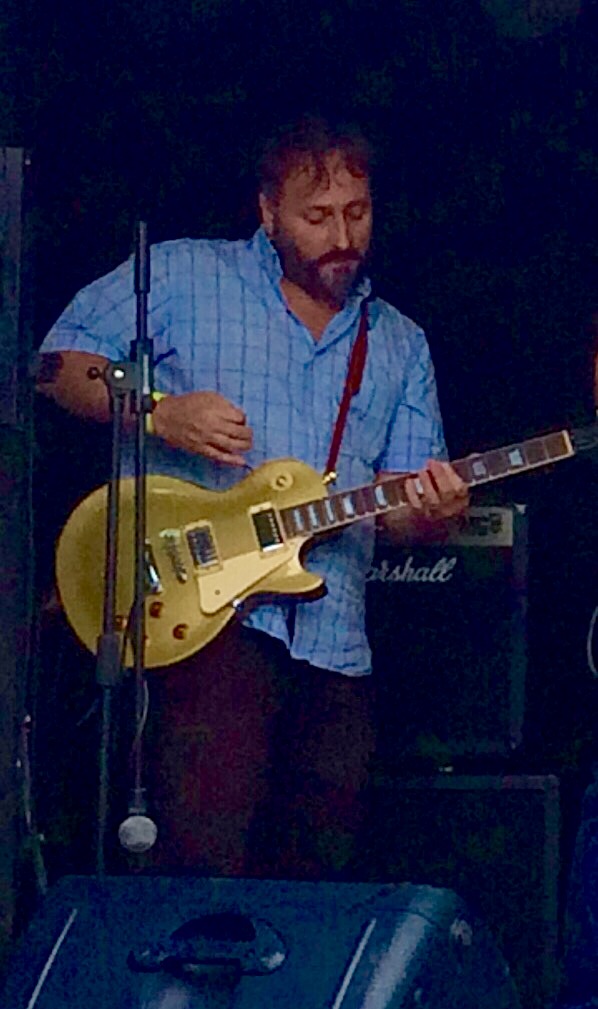
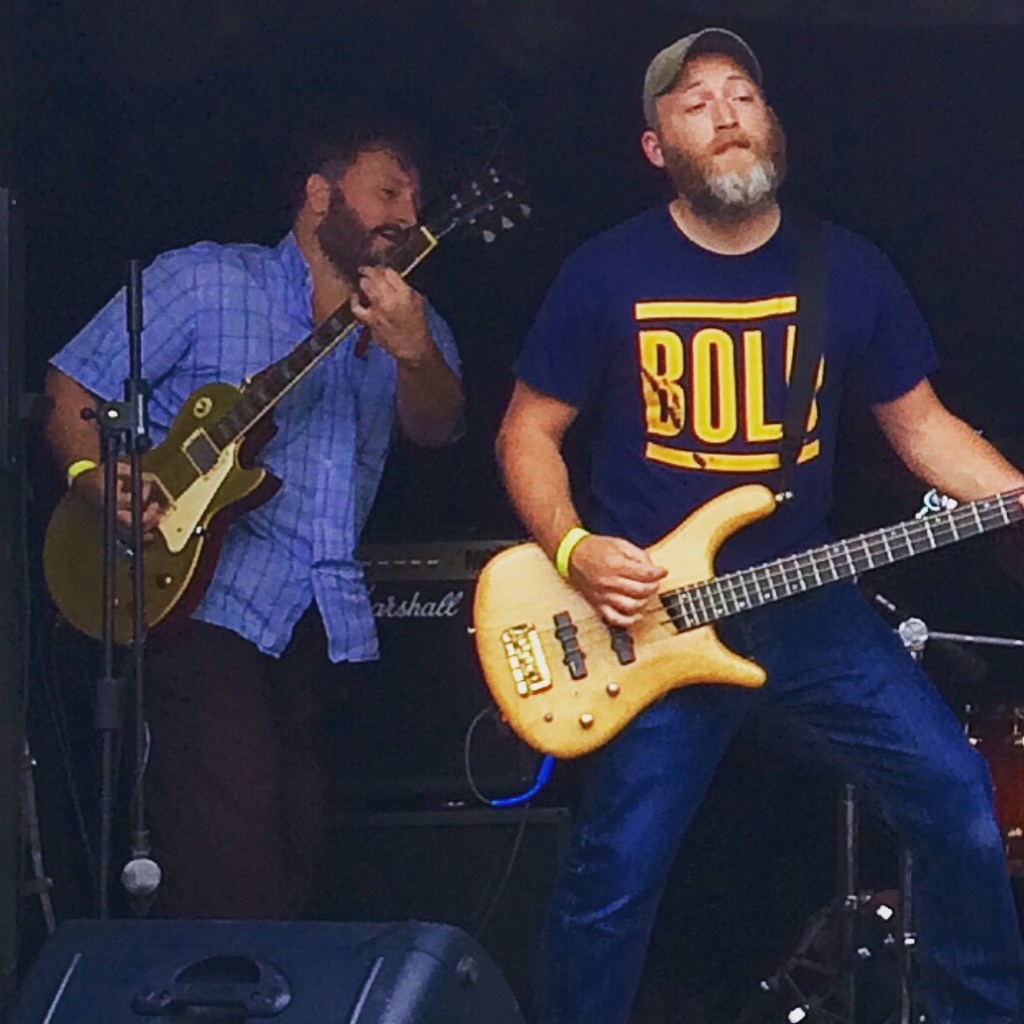
How has running Engineer Records since 1999 shaped your perspective on the music industry and the underground punk scene?
It’s opened my eyes to a lot. We’ve put out well over four hundred releases now, in fact our next will be IGN444, and not all have gone well. Some bands get it, they appreciate the help and work hard to help themselves to. That’s when it all works best. Some bands are lazy or expect the world for not much. They don’t usually last. We’ve had great releases I’m immensely proud of, and one of two bad failures too. As a label we started with vinyl, went through CDs, then into digital streaming and now were heading mainly back to vinyl. We’ve done a few cassettes and all sorts of shirts and merchandise, and are into books now too, of course. All the while we try to promote and support our bands and help with getting them better known. That’s the main thing. We used to book a lot of gigs too, but that’s getting much harder post covid. I’m just hoping it’ll all come back with a new wave of energy. I think it will.
The book highlights many bands from Engineer Records. What makes these bands special to you, and why did you choose to focus on them?
All the bands we work with are good, special, if you like. But these are bands I am speaking with now so found it easy to interview them and ask about their influences, gig stories, etc. It was a fun chat in most cases and I always learnt new things about each group. Playing in band should be an adventure, and writing a book about it can be too.
What challenges did you face while managing a label, promoting gigs, and playing in bands simultaneously, and how do those experiences find their way into your writing?
When I was playing in my bands that was my main thing and it took up most of my time. Not just gigging or touring, but writing new music and practising. It was my main focus and definitely my priority. As I got older, married and had kids, I had to share my priorities, but the energy and belief in what I did never changed. I ran the label partly to support my band and my friends bands. That’s certainly how it started, with releases for Hot Water Music and Rydell, Hunter Gatherer and other bands we played with. I made contacts through the bands and that helped with the releases. It ebbed and flowed depending on how busy I was on other things, but I only manged to start writing the books, first in the covid lockdown and then later when I’d stopped playing so many gigs. All these things take time and creative effort. The more interesting of them I write about. The less savoury moments, maybe not so much. There are plenty of high and lows (and costs) to running a label and it follows my life at the time. I’m still into it and we’re still going strong, so let’s see what happens next!
Did you discover anything surprising or unexpected while researching and interviewing bands for this book?
Yes, a few things, catfish wrassling was one, from The Dreaded Laramie’s southern tours, and recording songs with band members in different countries over the covid lockdown was another. But generally, I found many more likenesses than differences, and many of the bands stories reminded of my own and gave us all a good laugh.
In The Fire Still Burns, you talk about the heart and perseverance of bands in the scene. What do you think motivates these artists to continue despite the struggles of the DIY approach?
I think these bands aren’t just about the music. They could turn up at some pub or club and play a cheesy set of covers for money but don’t, they have a message and a feeling, and they want to share that. That to me is hardcore, the punk spirit. As a musician there’s always the goal of writing better songs and having the crowd singalong with you, really enjoying themselves. That’s a hell of a buzz and keeps you going back time and time again. Some of the best nights of my life have been gigs, and if the bands are lucky they will all know and share that sentiment and treasure it.
As someone who’s been deeply involved in the alternative scene for decades, how has punk rock shaped your life, both personally and professionally?
Personally, what I’ve learnt in the punk / hardcore / alternative music scene has steered and influenced most of what I do and how I interact with people. I think that probably makes me a better, more tolerant and compassionate person that I might be otherwise. And although it’s been an ongoing commitment and cost, I don’t think it’s particularly helped or hurt me professionally. I don’t do any of this for money.
What advice would you give to young musicians or bands who are trying to make their mark in the punk rock or hardcore scene today?
All bands want to be different and make their own mark, but obviously you have to be able to play, first and foremost, and that take practice and commitment. And I mean really be good at playing live, not just recording in a digital studio, but blasting it live with feeling and interacting with the audience as that’s where the fun and atmosphere is. Beyond that I’d suggest they get a gig / tour booking agency now as that seems to be the easiest way to get decent gigs, and then find a decent label that will work with them and support them. It’s a big world out there and good partnerships are a lot easier than going it alone.
The independent, alternative label scene has always been close to your heart. Do you feel that it’s harder or easier to run a label today compared to when you started Engineer Records?
I’d say it’s probably easier to start a label now, but it’s not easy to run one. Most labels come and go and don’t make it past five or ten releases. The marketing and distribution take time, effort and contacts. Many bands just decide to self-release their stuff, often on digital only. This is ok and I’ve nothing against it, maybe it gives them more control, but the digital only part seems a bit lame to me. Anyone can start a label, but local collectives might be a good way to do it, similar to promoters, with different people coming in and out and helping over time. I’ve also been involved with and helped start a few of these, so know they can work well, so long as there’s a shared vision of what you want to achieve.
How do you balance your roles as a musician, label owner, promoter, and now an author? Does each role feed into the others, or do they remain separate for you?
They all feed into each other. When I was doing it all it wasn’t easy, but I play less now and book less shows too, so really, it’s just the writing and label promotion side of things I concentrate on now. Manufacturing records, or books, is easy enough if you have the contacts and cash. A huge part of the work comes afterwards, with distribution, then marketing, with press coverage and PR. Which some might say is just to massage the egos of bands or authors, but then if they’ve put the effort in to create something great, I’d really like to help them get it out to the world and in the hands of as many like-minded people as possible. That’s my role as a record label owner or publisher. As an author, I’ll just chat with people and fit in another book when I have enough interesting stuff to say. That may be next month, or that may be never. I have a feeling it’ll be somewhere in between when I have time.
Looking ahead, are there any other stories or topics you’re eager to explore in future books, or will you continue to dive deeper into the punk rock scene?
I love the post-punk / hardcore scene and find it inspiring, so I’ll always want to talk and maybe write about that. But I have many other interests and aspects to my life too, so I’d like to explore more of those. I’m not sure that means writing about it. I travel a lot, but I don’t really write or talk about that. Like everyone, I’m into all sorts of things, but I’m not sure anyone else would want to know about it. I’m happy to play my guitar, eat a good meal and hang out with my family and friends. Life is short, and I want to make the most of it.
Thanks for the questions Djordje. It’s been enjoyable. I hope your readers find my answers interesting.
https://www.engineerrecords.com
https://www.earthislandbooks.com
 Thoughts Words Action